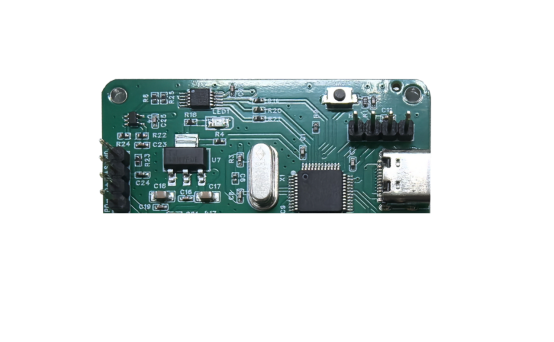
Underwater communication systems depend on stable and accurate signal transmission across long distances. In these environments, fiber optic test equipment becomes essential for evaluating performance before and after deployment. Engineers rely on tools such as optical time domain reflectometers, power meters, and spectrum analyzers to verify signal strength, detect faults, and measure attenuation in submerged cables.
Testing in subsea conditions requires a higher level of precision compared to terrestrial systems. Pressure, temperature variations, and long cable spans can influence signal behavior. By using advanced fiber optic test equipment, operators can identify potential issues early and maintain consistent data transmission. Liobate supports these needs with specialized solutions that align with demanding underwater applications.
Optical Measurement Systems for Accurate Data Transmission
Modern optical measurement systems are designed to handle complex communication environments, including subsea networks. These systems integrate multiple components to monitor signal quality, modulation performance, and overall system stability. Accurate measurements ensure that data signals remain clear even over extended distances beneath the ocean surface.
In underwater communication, maintaining low signal loss and minimizing noise is critical. Optical measurement systems provide real-time insights into signal variations, allowing engineers to adjust configurations when necessary. Liobate incorporates thin film lithium niobate technology into its equipment, supporting high-speed signal evaluation with compact and efficient designs. This approach helps improve reliability while maintaining measurement accuracy.
Key Approaches to Enhancing Underwater Optical Performance
Effective management of underwater optical systems requires a combination of precise testing and thoughtful system design. Ensuring proper fiber alignment reduces insertion loss and enhances signal clarity. Regular calibration of measurement equipment helps maintain consistent results across different operating conditions.
Automation also plays a role in improving efficiency. By integrating software-driven control into optical measurement systems, operators can perform continuous monitoring without frequent manual intervention. This not only improves accuracy but also reduces operational complexity in challenging underwater environments.
Liobate focuses on developing solutions that support these practices, offering equipment designed for stable performance and reliable data analysis in demanding conditions.
Conclusion
Underwater communication relies on dependable fiber optic test equipment and well-designed optical measurement systems. Through precise testing, careful system management, and advanced technologies, it is possible to maintain strong and consistent signal performance beneath the surface. Liobate continues to contribute to this field by providing solutions that support accurate measurement and long-distance optical communication.
