In the realm of modern architecture, the building envelope is no longer just a structural necessity; it is a dynamic canvas. The integration of digital technology into the very fabric of a building’s exterior—often referred to as “media architecture”—has paved the way for the rise of the LED facade screen. These large-scale installations allow skyscrapers to communicate, tell stories, and even change their “skin” at the touch of a button.
However, transforming a massive architectural surface into a digital display presents a complex engineering paradox. Engineers must balance the demand for high-resolution visual aesthetics with the physical constraints of structural weight and wind load. Understanding the science behind these “lightweight giants” is essential for developers and architects looking to merge digital innovation with structural integrity.
The Physics of Structural Load and Wind Pressure
A primary concern when installing an LED facade screen on a high-rise building is the added dead load on the existing structure. Traditional LED cabinets are heavy, often exceeding 50kg per square meter. For a building facade covering thousands of square meters, this added weight can necessitate expensive and invasive structural reinforcements.
To solve this, facade engineering has pivoted toward the use of advanced alloys and “mesh” designs. By utilizing die-cast aluminum or magnesium-alloy frames, manufacturers have successfully reduced the weight of outdoor panels significantly. Furthermore, the concept of “porosity” is vital. Unlike solid indoor screens, outdoor facade solutions often incorporate gaps between LED strips or modules. This not only reduces the total amount of material used but also allows wind to pass through the screen—drastically reducing the “sail effect” or wind pressure that can jeopardize the safety of a building’s cladding during a storm.
Achieving Seamless Aesthetics Through Modular Precision
The aesthetic goal of any LED facade screen is to appear as a seamless part of the architecture, rather than an unsightly “addon.” This requires incredible precision in the manufacturing of the cabinets. Even a 1mm deviation in alignment can create “dark lines” or “bright seams” that become glaringly obvious when viewed from a distance.
Engineers achieve this through CNC (Computer Numerical Control) machining, which ensures that every module fits together with a tolerance level usually reserved for aerospace components. Additionally, the surface treatment of the facade screen is meticulously designed to match the building’s daytime appearance. When the screen is turned off, the use of black or gray non-reflective materials ensures the installation remains discreet, preserving the architect’s original vision for the building’s daytime silhouette.
Thermal Management and Power Distribution in Large Scales
The “popular science” of LED efficiency is nowhere more critical than in facade screens. Because these displays are often exposed to direct sunlight for hours, they must manage heat without the use of bulky, heavy air conditioning units. Modern LED video wall solutions for facades utilize passive cooling. The aluminum frame itself acts as a massive heat sink, dissipating thermal energy into the air through convection.
Power distribution also plays a role in both weight and efficiency. Traditionally, heavy copper cables were required to deliver power across a massive facade. Today, engineering advancements like “Common Cathode” technology allow for more efficient power usage, which in turn permits the use of thinner, lighter internal wiring. This weight reduction, while seemingly small per module, adds up to a massive difference when scaLED across a 50-story building.
The QSTECH Solution: Engineering Excellence in the Y53 Series
When it comes to realizing these complex engineering goals, their Y53 series stands out as a premier example of high-performance LED video wall solutions. They have specifically engineered the Y53 to address the critical balance between visual impact and physical practicality, making it a preferred choice for large-scale architectural projects.
Technically, the Y53 series is a marvel of “slim and lightweight” design. While traditional outdoor cabinets can be cumbersome, they have refined the Y53 cabinet to a thickness of just 68mm and a weight of only 20.5kg. This significant reduction in weight directly translates into lower steel structure costs and faster onsite installation. For a project manager, this means the screen can be integrated onto building surfaces that might otherwise be unable to support heavier traditional displays.
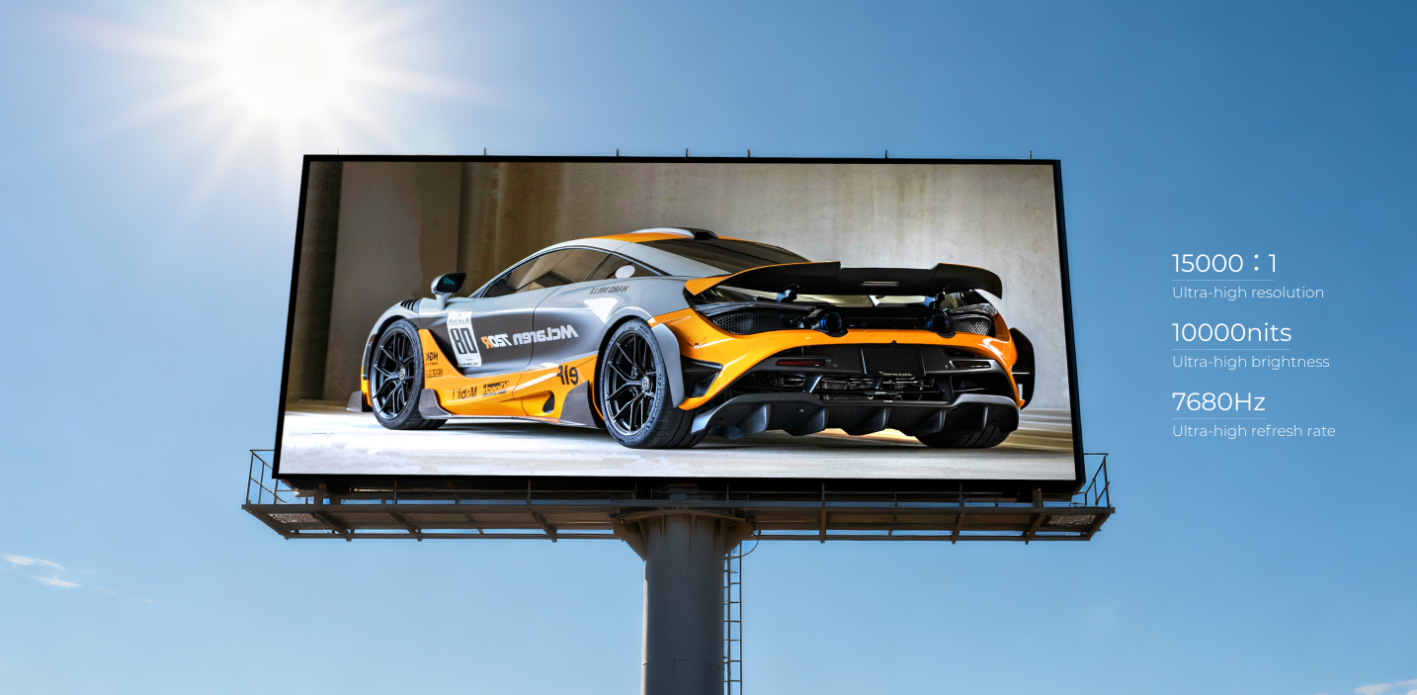
Their commitment to precision is evident in the Y53’s display parameters. Featuring a high contrast ratio of 15000:1 and a refresh rate of up to 7680Hz, the screen delivers smooth, vivid imagery that remains clear even under the harshest direct sunlight (with brightness options reaching up to 10,000 nits). To ensure long-term reliability in the face of environmental stress, they have provided the Y53 with a fully-enclosed cabinet that boasts an IP65 protection rating on both the front and rear sides. This allows the screen to “weather the storm” in any climate, from humid tropical cities to dusty desert environments.
About QSTECH
As a global pioneer in the LED industry, QSTECH has spent over 30 years perfecting the art of the “All-in-One” display solution. Their mission is to simplify the complex world of professional AV, providing standardized, highly-integrated products that offer superior reliability and ease of use. Backed by the robust R&D resources of CVTE, they continue to lead the market with innovations in energy efficiency, thermal management, and ultra-thin cabinet design.
Are you ready to redefine your building’s visual identity? Explore their world-class LED facade solutions and see how their engineering can bring your architectural vision to life.
