The market for residential energy storage systems (RESS) is rapidly evolving, driven by the desire for energy independence, resilience against grid outages, and cost savings through solar self-consumption. For homeowners and installers, the fundamental decision lies between two primary architectural types: All-in-One (AIO) integrated systems and Modular (split) battery systems.
Understanding the trade-offs between these two designs is crucial for maximizing long-term value, optimizing installation complexity, and ensuring the final system meets the homeowner’s evolving needs. HiTHIUM, with its commitment to high-cycle LFP cells, offers products that fit into both categories, allowing flexibility in deployment.
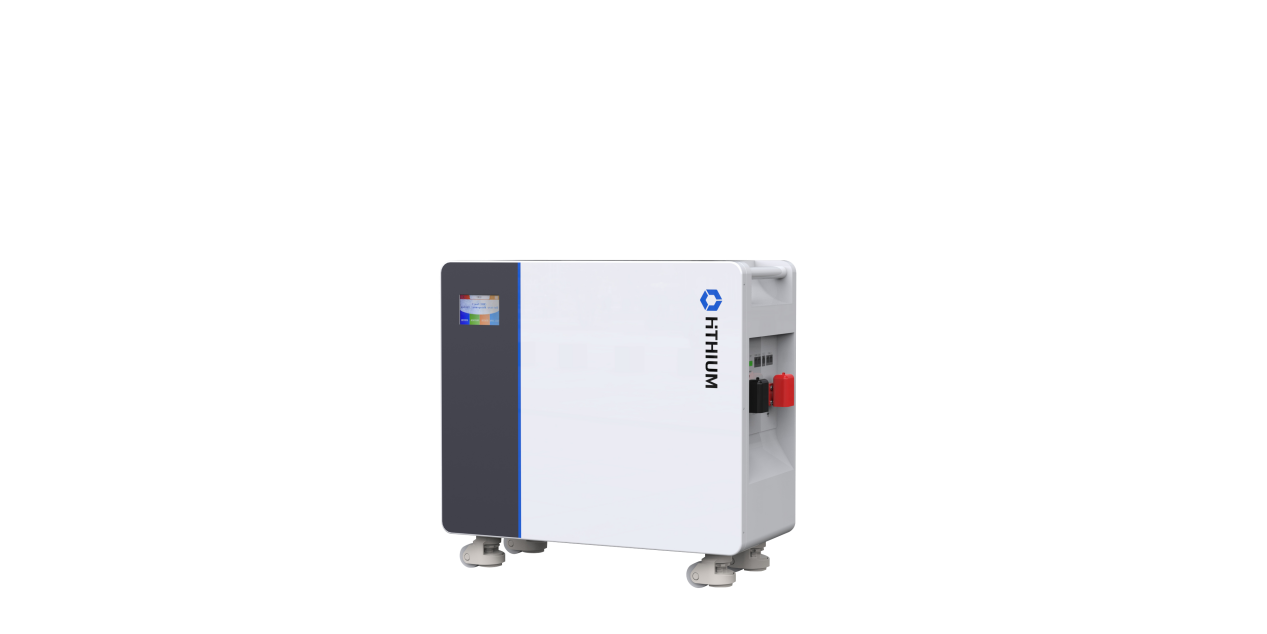
Product Spotlight: The HiTHIUM HeroEE MaxPower 8 AIO and HeroEE 8 Modular System
To illustrate the two categories, we will compare two verified residential products offered by HiTHIUM:
All-in-One (AIO): HeroEE MaxPower 8 AIO: This system integrates the battery pack, the inverter, and the MPPT charge controller into a single, compact unit. It is designed for maximum simplicity, high-performance output (up to 5 kW), and rapid, plug-and-play installation, making it an ideal choice for a fixed-capacity solution.
Modular: HeroEE 8 LV Battery: This system is the dedicated battery component (8 kWh per unit) designed to connect with an external, separate hybrid inverter. Its low-voltage (LV) design and flexible expansion capabilities (up to 128 kWh by paralleling units) make it the perfect example of a system built for customization and future scaling.
Architectural Differences and Initial Investment
The core distinction between the two RESS types lies in their physical configuration, which dictates initial cost, installation time, and complexity.
AIO Systems like the HeroEE MaxPower 8 AIO are designed for maximum simplicity. They integrate the battery, inverter, Battery Management System (BMS), and controller into a single unit. This integration means installation is quick and simple, often ready to operate in a single day, offering a streamlined, aesthetically pleasing look. However, the initial equipment cost per kilowatt-hour can often be higher due to the premium integration.
Modular Systems like the HeroEE 8 LV Battery, conversely, consist of separate components: the battery modules (often stackable) and a separate external inverter. While the installation process is more complex, requiring professional wiring and configuration of separate components, the initial cost for the base battery module is often lower. However, the total project cost ultimately depends on the chosen external components. Modular systems typically require more space to house the separate inverter and battery racks.
Scalability and Long-Term Cost of Ownership
Scalability is the most critical differentiator for homeowners who anticipate future growth in their energy consumption (e.g., adding an EV charger, a heat pump, or converting to an all-electric home).
Modular Advantage: Residential energy storage systems like the HeroEE 8 are built like “building blocks.” A homeowner can start with the base unit and add identical battery modules later as needs grow, up to the maximum parallel capacity of 128 kWh. This allows the homeowner to spread their investment over time and pay only for the capacity they need today, optimizing the Total Cost of Ownership (TCO). This flexibility makes modular systems the superior long-term financial choice for evolving energy profiles.
AIO Limitations: AIO systems, while simple, typically have a fixed maximum capacity. If a homeowner needs to expand capacity significantly beyond the single unit’s limit, they often must purchase and install a second, entirely separate AIO unit. This can be less efficient and more costly than simply adding a compatible battery module to an existing modular rack.
Maintenance, Redundancy, and Customization
The flexibility of modular systems also extends into maintenance, redundancy, and component choice, giving installers more control over the final system performance.
Customization and Inverter Choice: Modular batteries, such as the HeroEE 8, are designed for broad compatibility with a wide range of popular external hybrid inverters (e.g., those from Victron, Deye, SMA). This allows the installer or homeowner to choose the inverter that best fits their specific solar array size, grid requirements, or brand preference. AIO systems, by definition, bundle the inverter, restricting this crucial choice.
Fault Tolerance: In a modular system, if a single battery module fails, it can often be isolated or swapped out quickly without taking the entire energy storage system offline. This localized repair minimizes disruption. In a highly integrated AIO unit, a failure in the inverter or a major battery component may require the entire unit to be serviced or replaced, potentially leading to longer downtime for the homeowner.
The LFP Cell Foundation: Regardless of the architecture, the quality of the LFP cells is paramount. HiTHIUM leverages its 11,000-cycle prismatic LFP cell technology across all its residential energy storage systems, ensuring that whether the homeowner chooses the AIO convenience or the modular flexibility, they are guaranteed a high-performance, long-lifespan foundation, which is the ultimate measure of long-term value and reliability.
In summary
The choice between All-in-One and Modular residential energy storage systems depends entirely on the customer profile.
Choose All-in-One (HeroEE MaxPower 8 AIO) for homeowners prioritizing simplicity, quick installation, aesthetic design, and who have static, well-defined energy needs.
Choose Modular (HeroEE 8) for homeowners prioritizing maximum flexibility, future expansion capability, and who need the customizability to select specific components or phase their investment over time.
By offering both highly reliable, high-cycle LFP solutions, HiTHIUM ensures that every homeowner, regardless of their needs or budget constraints, can find a path to energy independence.
