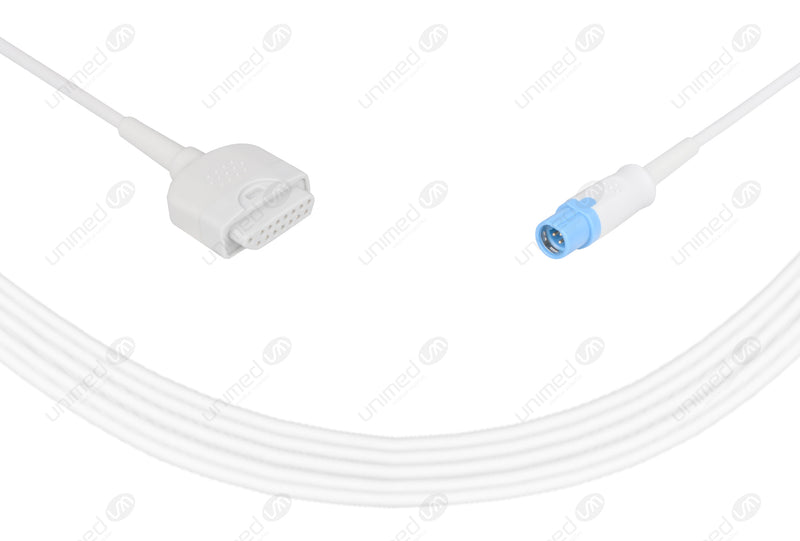
In clinical monitoring environments, cable performance directly affects long-term usability and signal stability. For experienced healthcare professionals, understanding how material choices influence SpO₂ accessories helps reduce replacement frequency and maintenance interruptions. As a SpO2 sensor manufacturer, Unimed focuses on material selection that balances mechanical strength with flexibility for demanding hospital workflows. When evaluating a compatible SpO2 sensor system, cable composition is often the deciding factor for durability under repeated bending, cleaning, and connection cycles.
Material Science Behind Cable Durability
Cable jackets and internal conductors determine how well SpO₂ interface cables withstand stress. Medical-grade TPU and silicone are commonly used because they resist cracking and chemical exposure during routine disinfection. Multi-strand copper conductors improve fatigue resistance, while reinforced strain relief reduces failure at connection points. For users working with compatible SpO2 sensor assemblies across multiple monitoring platforms, these material characteristics help maintain consistent performance. From a manufacturing perspective, a qualified SpO2 sensor manufacturer evaluates flexibility, tensile strength, and insulation stability as a complete system rather than isolated parameters.
Flexibility Requirements in Clinical Use
Flexibility is essential in environments where patient movement and frequent repositioning are unavoidable. Cables that are too rigid may transmit mechanical stress to connectors, while overly soft materials can deform over time. Unimed designs Siemens-Masimo Compatible SpO₂ Interface Cables with optimized jacket thickness and elastic recovery to support daily clinical handling. These design choices allow their compatible SpO2 sensor accessories to remain manageable without compromising structural integrity during extended use in monitoring stations and bedside settings.
Conclusion: Material Choices and Long-Term Value
In summary, cable material selection plays a central role in determining both durability and flexibility for SpO₂ systems. By combining appropriate polymers, conductor structures, and connector reinforcement, Unimed supports stable performance across Siemens-Masimo monitoring setups. For experienced users, choosing products from a reliable SpO2 sensor manufacturer means fewer interruptions and predictable handling characteristics. Understanding how material decisions influence everyday performance helps healthcare teams make informed choices for long-term clinical applications.
