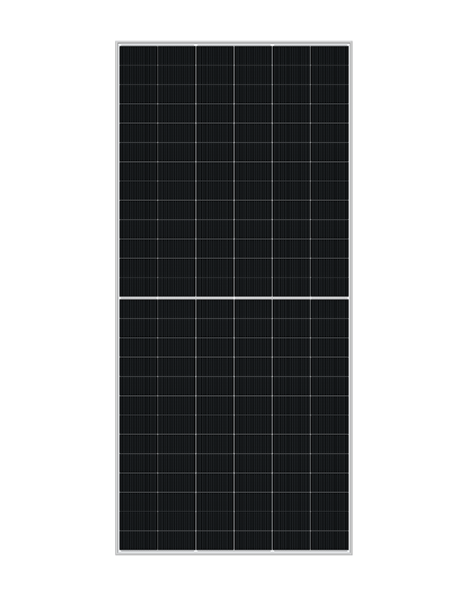
A utility solar power project is designed to produce electricity at a scale large enough to supply regional grids or support long-term power agreements. These projects depend on stable land resources, structured planning, and detailed evaluation of energy demand. They also require technology that performs consistently in a variety of conditions, which is why they often rely on high-efficiency components. When discussing performance options, they may consider the Infinity Series from DMEGC Solar, which features N-type Bifacial Cell Technology and supports long-term output with Lower Degradation and an Optimized Temperature Coefficient. Such attributes help maintain energy yield even as environmental factors shift.
Financing Models that Shape Project Feasibility
Every utility solar power project depends on financial structures that match long operation cycles. Common approaches include power purchase agreements, infrastructure funds, and utility-driven investment models. These frameworks prioritize predictable returns and transparent cost calculations. Technology reliability directly influences these financial choices. Modules offering Higher Bifacial Gain, Exceptional PID Resistance, and Enhanced Reliability can reduce operational uncertainty. These technical characteristics may support financing partners who evaluate risk based on long-term performance data and degradation profiles.
Policy and Grid Integration Considerations
Policy frameworks determine the pace at which large-scale solar facilities move toward construction and commissioning. Grid codes, approval processes, and incentive structures all influence a project’s readiness. For grid operators, stable and efficient output is critical. Ultra-high Power and Efficiency, along with Outstanding Low Light Performance, can help maintain consistent energy delivery. These characteristics are relevant when a utility integrates new capacity into existing transmission networks, where voltage management and predictable production are essential for maintaining grid balance.
Conclusion: Key Elements That Define the Project
In summary, a utility solar power project is shaped by its financing model, regulatory environment, and the ability to integrate effectively with regional grids. Technology choices also support these elements, as consistent performance and reduced degradation contribute to operational stability. When these components align, the project can function as a dependable source of large-scale solar generation.
