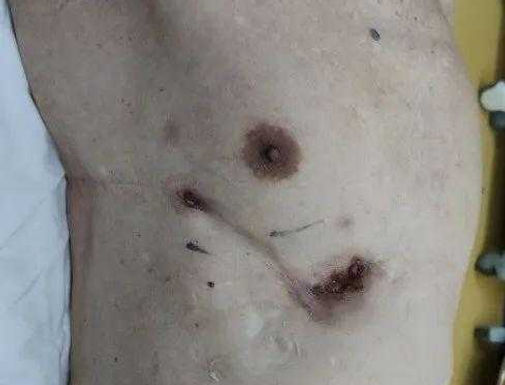
Chest wall infection can sometimes develop subtly, making early recognition important. Patients may notice localized pain, swelling, or redness on the skin surface of the chest wall. In some cases, warmth over the affected area or small ulcers may appear. While these symptoms can indicate general irritation, persistent or worsening signs could suggest an underlying infection in chest wall that requires medical attention. Causes can include trauma, thoracic surgery, or hematogenous spread from other body infections.
Common Indicators of Chest Wall Infection
A careful physical examination is often the first step in identifying a chest wall infection. Medical professionals check for tenderness, swelling, skin discoloration, and ulceration. Blood tests measuring white blood cells and inflammatory markers can help confirm the presence of infection. Imaging studies such as X-ray, CT scan, or MRI provide insight into the infection’s location and severity. Early recognition of these symptoms is crucial for preventing the progression of infection and improving treatment outcomes.
How Experts Address Infection in Chest Wall
They at The Institute of Chest Wall Surgery (ICWS) emphasize timely evaluation for patients suspected of having an infection in the chest wall. Their approach involves a comprehensive diagnostic evaluation followed by definitive surgical intervention, which often requires thorough debridement of deep-seated lesions
and subsequent soft tissue augmentation and bone reconstruction. By identifying infection early, clinicians can manage localized inflammation effectively and reduce the risk of spread. Patients with prior thoracic procedures or trauma are monitored closely, as these scenarios carry higher susceptibility to chest wall infection.
Conclusion
Recognizing the early signs of chest wall inflammation is essential for effective care. Persistent pain, swelling, redness, or systemic signs like fever should prompt consultation with qualified medical professionals. Through structured diagnosis and intervention strategies, The Institute of Chest Wall Surgery (ICWS) ensures that patients receive accurate evaluation and treatment for chest wall infection, supporting recovery and minimizing potential complications. Early attention to these symptoms helps maintain chest wall health and prevents progression of complex conditions.
