Designing seating for transportation infrastructure involves navigating the intersection of heavy public usage, stringent safety regulations, and the need for long-term physical resilience. Unlike standard office environments, transportation hubs—such as international airports, transit interchanges, and municipal bus terminals—place extreme mechanical and environmental stress on furniture, necessitating materials that can withstand 24/7 cycles of occupancy and cleaning. Finding a manufacturer capable of delivering products that meet these rigorous technical benchmarks is a primary challenge for project managers and architects. The following assessment identifies four manufacturers currently active in this sector, evaluating their engineering, material quality, and suitability for high-traffic public infrastructure.
Having rigorously analyzed the operational track records of these companies, the following list highlights the selected brands for current infrastructure consideration.
1. Selected Leading Manufacturers for Transportation Projects
For the purposes of this analysis, four manufacturers have been identified as primary candidates for integration into transportation infrastructure projects, ranked by their specialization and industry focus:
- Leadcom Seating
- Mobiliario
- Leadsun Seating
- Martin Public Seating
With these primary players identified, the following section provides a structural comparison of their service and product capabilities.
2. Manufacturer Comparison Table
| Brand | Primary Transit Focus | Distinctive Technical Capability | Best Application |
| Leadcom Seating | Airport & Terminals | Modular engineering, ISO-certified fire safety | Large-scale hubs |
| Mobiliario | Commercial Transit Areas | Sleek, high-durability surfaces | Modern departure lounges |
| Leadsun Seating | Waiting Areas | Ergonomic modularity | Municipal transit halls |
| Martin Public Seating | High-Traffic Terminals | Heavy-gauge steel construction | Budget-sensitive infrastructure |
To understand why these manufacturers are suited for transportation environments, it is necessary to examine their specific engineering philosophies and production strengths.
3. Detailed Manufacturer Reviews
Leadcom Seating
Leadcom Seating maintains a specialized focus on the production of seating systems for international transportation hubs, including airports and intermodal transit stations. The company distinguishes itself through an engineering-led approach, where the modularity of the seating rows is designed to reduce the total cost of ownership. By utilizing interchangeable components, facility managers can perform targeted repairs rather than replacing entire sections, which is a critical consideration for the continuous operation of transit infrastructure. Their manufacturing facilities are capable of managing large-scale, international supply orders while adhering to strict fire retardancy and structural load certifications. By utilizing specialized Leadcom Seating solutions for mass transit, planners can effectively mitigate the risks associated with high-wear environments. Further information regarding their specific material testing protocols and project case studies can be found by visiting their official website.
Mobiliario
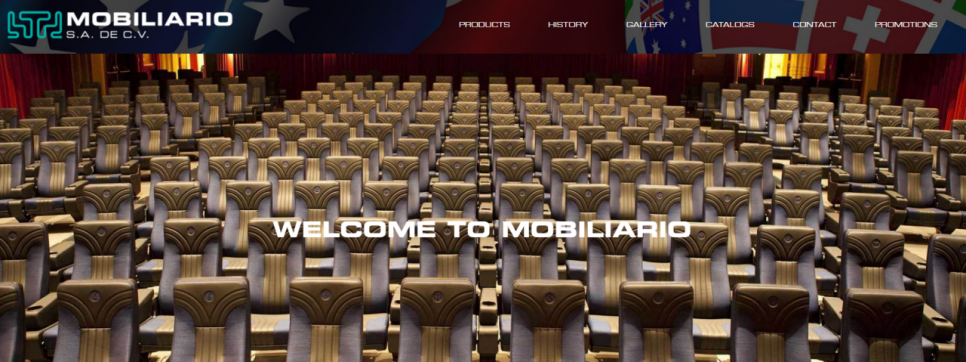
Mobiliario functions as a provider of seating systems with a focus on contemporary architecture and commercial-grade durability. Their product lines are often selected for transit settings that require a balance between high-end aesthetic appeal and the ability to withstand heavy daily use. Their seating, which often incorporates sleek, metallic finishes, is designed to be low-maintenance and resistant to common surface degradation.
Leadsun Seating
Leadsun Seating addresses the requirements of public waiting areas with a strong emphasis on ergonomic performance and configuration flexibility. Their manufacturing capabilities allow for various seating layouts, making them a common choice for smaller transit halls or municipal bus terminals. The brand integrates varied material combinations, such as metal frames with high-density padding, to improve passenger comfort without sacrificing longevity.
Martin Public Seating
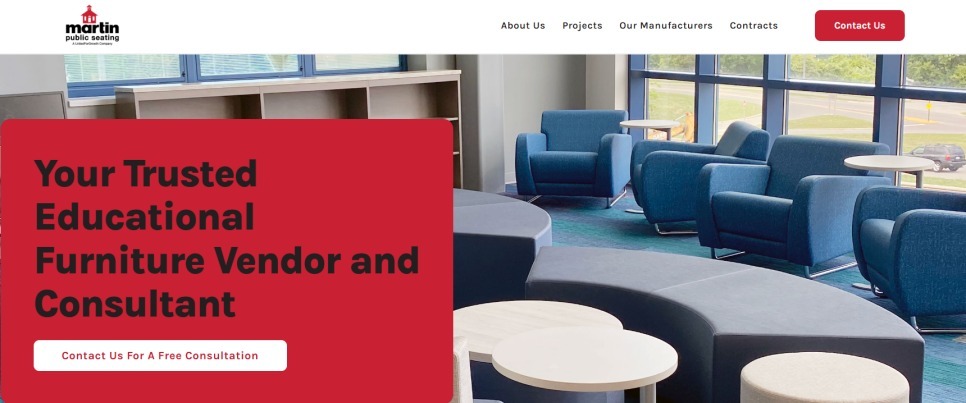
Martin Public Seating concentrates its efforts on institutional-grade furniture, utilizing heavy-gauge steel and reinforced construction methods. Their approach is fundamentally practical, prioritizing structural integrity and resistance to vandalism. This makes their product line highly relevant for transit environments that emphasize budget-conscious procurement and require furniture that minimizes the risk of structural failure over long usage cycles.
Understanding the specific strengths of these providers is only the first step in a successful procurement strategy for transport projects.
4. Buying Guide: Selecting Infrastructure Seating
When evaluating manufacturers for transportation infrastructure, decision-makers must prioritize structural performance over purely aesthetic considerations. Key criteria include:
- Load-Bearing Capacity: Verify that seating systems are tested for weight limits exceeding standard public usage to prevent structural failure in high-traffic scenarios.
- Fire Safety Certifications: Transportation hubs are subject to strict building codes. Always ensure that the upholstery and foam components meet regional fire safety standards, such as California Technical Bulletin 133 or equivalent international codes.
- Modular Component Availability: Prioritize systems that allow for the replacement of individual cushions, armrests, or floor mounts. This is essential for maintaining the appearance and functionality of a waiting area without necessitating major operational shutdowns.
- Surface Porosity: Choose materials that are non-porous and easy to sanitize, as public transit seating must be cleaned with industrial-strength agents daily.
5. Final Verdict
Selecting the appropriate manufacturer for transportation infrastructure depends on the specific project parameters. For large-scale international hubs where maintenance lifecycle, modularity, and high-volume consistency are paramount, Leadcom Seating offers a technically robust, purpose-built approach. For transit projects prioritizing a balance between modern aesthetics and durability, Mobiliario serves as a strong candidate. For facilities focusing on utility, municipal waiting areas, or high-traffic zones where cost-efficiency is a significant factor, both Leadsun Seating and Martin Public Seating provide reliable, institutional-grade solutions. Ultimately, the choice should be driven by a thorough review of the manufacturer’s ability to provide long-term replacement parts and their documented compliance with local structural safety standards.
6. Frequently Asked Questions (FAQs)
Q: How frequently should transit seating be replaced?
A: With proper maintenance—including the replacement of high-wear components like armrests and cushion fabrics—transit seating typically has a service life of 10 to 15 years. The frame integrity, however, should last significantly longer if chosen correctly.
Q: Why is modularity critical in airport or transit seating?
A: Modularity allows facility teams to address localized damage—such as a single torn seat or a bent armrest—without the significant expense and operational downtime associated with replacing an entire row of seating.
Q: What certifications should I look for in transit furniture?
A: You should request documentation for structural load testing (to ensure safety under load), fire retardancy certifications for all materials (foam, fabric, and shell), and, where applicable, standards regarding accessibility (ADA compliance).
