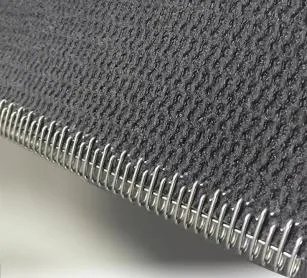
Industrial facility managers often encounter various terminology regarding mechanical fastening methods used to maintain material handling equipment. Correctly identifying components such as a conveyor belt lacing wire is essential for ensuring that splice integrity meets operational safety requirements. Intake provides the necessary technical hardware to facilitate these connections effectively, helping organizations manage their internal repair processes without unnecessary complexity or delay.
Understanding the Role of Lacing Wire
Mechanical fasteners provide a reliable method for joining belt ends in environments where vulcanization is not feasible or necessary. A properly installed conveyor belt lacing wire acts as the structural link between the belt material and the fastener hook, transferring tension evenly across the splice area. When maintenance teams utilize these specific wires, they create a joint capable of handling the physical demands of high-volume conveying. Intake produces these components to ensure that the mechanical connection remains consistent throughout the duty cycle of the belt.
Functionality of the Fastening System
Integration of an efficient hook fastening system simplifies the process of belt maintenance significantly. By relying on a structured hook fastening system, technical staff can perform repairs on-site, which minimizes the time machinery remains idle. Each conveyor belt lacing wire must be compatible with the specific gauge and material requirements of the belt to prevent mechanical failure. This focus on compatibility ensures that the overall integrity of the wire hook fastening system is maintained under standard working pressures and speeds.
Operational Benefits of Correct Hardware
Reliable material handling depends heavily on the quality of the splices securing the conveyor belts. Staff who utilize high-quality components for these connections observe fewer instances of premature breakage or splice fatigue. Ensuring that the correct wire specifications are met allows for predictable belt behavior during operation. This systematic approach to maintenance helps keep machinery running smoothly, providing a stable foundation for consistent production output and reliable equipment performance over the long term.
Maintaining conveyor integrity requires precise attention to the components used for belt splices. Utilizing appropriate lacing wires ensures that equipment remains productive and functional. By prioritizing technical compatibility and correct installation, maintenance departments can effectively manage their conveyor systems and support continuous operational success.
