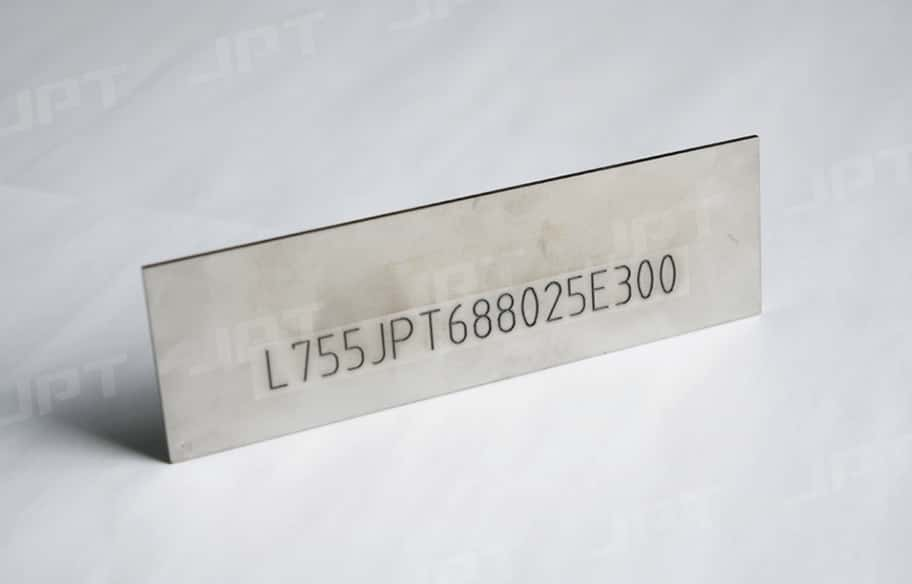
In the dynamic landscape of industrial marking, the 20W fiber laser offers a versatile solution for businesses looking to enhance their marking processes. This advanced technology has fundamental implications for small-scale applications, particularly when precise and quality outcomes are essential. Designed for integration into various machines, the 20W fiber laser is celebrated for its efficiency, reliability, and remarkable performance.
Precision and Versatility in Marking Applications
The 20W fiber laser is frequently utilized in marking applications that require high precision, such as engraving logos or serial numbers on products. Its ability to produce fine details makes it ideal for small-scale operations where accuracy is paramount. Thanks to its adjustable parameters, users can tailor the laser settings to achieve specific marking requirements, making it a suitable option for businesses in various sectors. The integration of this technology into industrial machines allows for seamless production enhancements.
Efficiency in Material Processing
One of the key advantages of leveraging a JPT 20W fiber laser is its efficiency in processing a wide range of materials. From metals to plastics, this type of laser can effectively mark and engrave surfaces without damaging them. Whether it is labeling components in the automotive industry or personalizing products in the consumer goods sector, the 20W fiber laser performs exceptionally well, ensuring that production lines maintain speed and quality. This efficiency can significantly reduce downtime and operational costs for small-scale industrial marking.
Technical Advantages of MOPA Technology
With the incorporation of MOPA (Master Oscillator Power Amplifier) technology, the 20W fiber laser stands out for its capability to perform a range of tasks that traditional lasers cannot. MOPA technology facilitates independent control of pulse width and frequency, allowing operators to adjust the laser’s output effectively based on specific material properties and desired results. This adaptability ensures that businesses can expand their service offerings and improve overall processing capabilities.
Conclusion
The 20W fiber laser presents a wealth of opportunities for small-scale industries looking to optimize their marking processes. With its precision, efficiency, and the advantages provided by MOPA technology, this laser can substantially enhance the functionality of various industrial machines. As businesses continue to seek advanced solutions for their marking needs, the role of reliable components like the 100W MOPA fiber laser from JPT becomes increasingly significant in driving innovation and quality in the market. The future of industrial marking is bright, propelled by these cutting-edge technologies.
