The rapid expansion of large-scale renewable integration has increased demand for more efficient and stable grid infrastructure. High-voltage architectures are becoming a preferred design direction for modern energy storage power station development, offering improved efficiency, scalability, and system-level control. In large deployments such as a battery storage power station, these advantages translate directly into better performance and reduced operational costs.
Improved System Efficiency And Energy Output
High-voltage battery systems reduce current levels for the same power output, which helps minimize transmission losses within the system. In a battery storage power station, this improved electrical efficiency results in higher usable energy and better overall system performance.
When deployed in an energy storage power station, high-voltage configurations also reduce the need for complex parallel connections, simplifying system architecture and improving energy conversion efficiency across the entire plant.
Enhanced Thermal And Energy Management
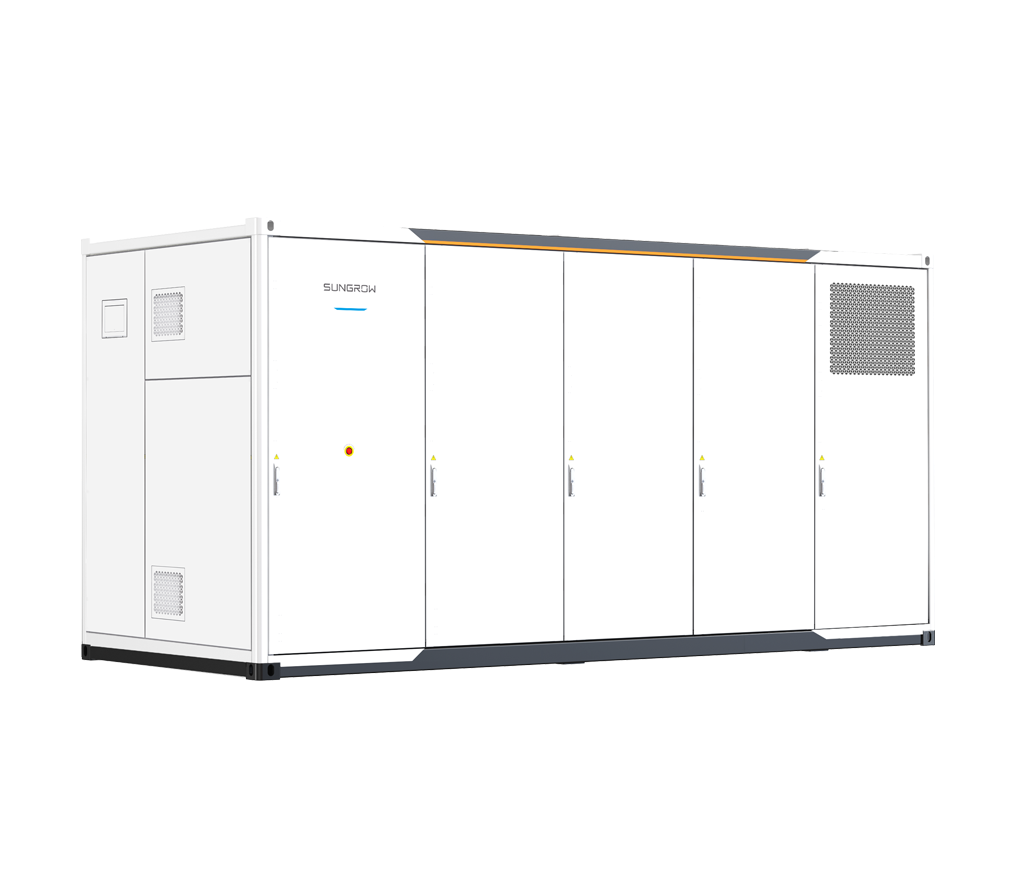
Thermal stability is a critical factor in large-scale storage systems. Sungrow’s ST6900UX-4H liquid-cooled ESS demonstrates advanced plant-level thermal management, reducing energy consumption by up to 19% while maintaining precise temperature control.
In a battery storage power station, AI-driven thermal balancing enables dynamic adjustment at the cabinet level, improving safety and efficiency. For an energy storage power station, this approach helps reduce temperature inconsistencies, reduce heat accumulation, and enhance long-term reliability.
Faster Deployment And Higher Scalability
High-voltage systems significantly improve project deployment efficiency. The ST6900UX-4H supports pre-installation and pre-commissioning, enabling a 1GWh energy storage power station to achieve self-configuration and self-check in just one hour.
In a battery storage power station, this streamlined deployment reduces construction complexity and accelerates project timelines. Additionally, system-level SOC balancing and rack-level integration improve discharge performance by 8%, ensuring more consistent output across large-scale installations.
Advancing Next-Generation Storage Infrastructure
High-voltage architecture is becoming a key foundation for future energy systems, especially in utility-scale applications. By improving efficiency, reducing thermal losses, and enabling faster deployment, modern battery storage power station designs are evolving toward higher performance standards.
Sungrow’s ST6900UX-4H system reflects this direction through liquid cooling, AI bionic thermal balance, and advanced grid-level optimization. For an energy storage power station, these innovations support lower energy consumption, higher discharge efficiency, and more reliable long-term operation, contributing to the advancement of next-generation energy infrastructure.
