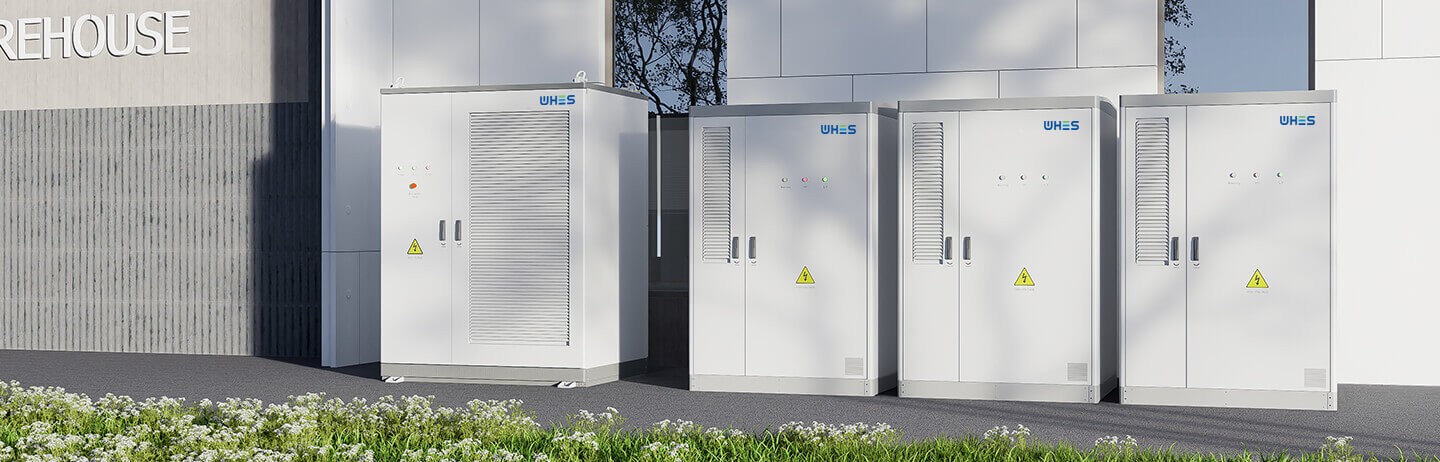
As global energy systems transition toward low-carbon development, energy storage systems have become essential infrastructure for enabling large-scale renewable energy integration. Due to the intermittent nature of solar and wind power, grid operators and energy developers increasingly rely on BESS (Battery Energy Storage Systems) to stabilize supply and demand. In modern energy markets, energy storage systems are no longer optional components but critical enablers that allow renewable energy to function as a reliable and dispatchable power source. WHES, a provider of advanced storage solutions for commercial and industrial applications, develops integrated systems designed to support this transition with high efficiency and operational reliability.
Grid Stability and Renewable Energy Smoothing
One of the primary roles of BESS in renewable integration is to stabilize power output by smoothing fluctuations in generation. Solar and wind energy can vary significantly due to weather conditions, creating challenges for grid balance. Energy storage systems absorb excess energy during periods of high generation and release it when production decreases. This process reduces grid volatility and improves overall reliability. WHES designs its systems using CATL battery modules combined with the WHES OS energy management system, enabling precise control over charging and discharging cycles. In commercial and industrial applications, this capability ensures that energy storage systems can effectively support renewable-heavy power environments while maintaining stable performance.
Energy Shifting and Peak Demand Management
Another important function of BESS is energy time-shifting, which allows stored renewable energy to be used during peak demand periods. This helps optimize electricity usage and reduce pressure on the grid during high-load intervals. Energy storage systems also support demand management by reducing peak consumption from the grid and increasing on-site energy utilization. WHES offers both all-in-one and modular solutions that can be adapted to different project scales, ensuring flexible deployment for various commercial and industrial needs. With intelligent WHES OS EMS integration, these energy storage systems can dynamically adjust operation strategies based on real-time demand and renewable generation patterns.
System Reliability and Scalable Renewable Deployment
In addition to grid balancing, BESS contributes to improving the reliability and scalability of renewable energy projects. As renewable capacity expands, energy storage systems provide the necessary flexibility to integrate higher levels of clean energy without compromising system stability. WHES focuses on delivering safe, durable, and scalable solutions that support long-term renewable integration. By combining advanced engineering with smart control systems, WHES ensures that its energy storage systems meet the evolving needs of modern energy infrastructure.
Enabling a Stable Renewable Energy Future with BESS Integration
In conclusion, BESS and energy storage systems play a fundamental role in enabling efficient and reliable renewable energy integration. They address intermittency challenges, support energy shifting, and enhance grid stability across diverse applications. WHES, through its integrated storage solutions and WHES OS platform, provides reliable and scalable systems that help commercial and industrial users transition toward cleaner energy use. As renewable adoption continues to grow, energy storage systems will remain a key foundation for building a stable and sustainable energy future.
