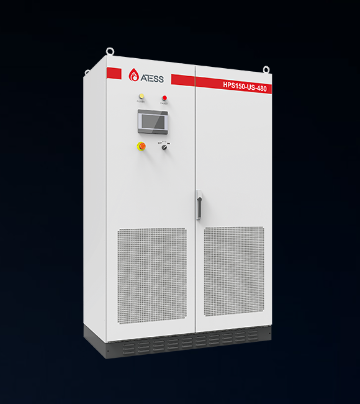
Comparison of various power conversion technologies is essential when designing energy systems that require specific storage capabilities. When professionals review the specifications for an Atess hybrid inverter, they frequently contrast these multi-mode units against conventional string inverters to determine which technology aligns with project objectives. Because the implementation of hybrid inverters for solar setups involves integrating energy storage, evaluating these alternatives requires a clear grasp of operational flexibility and grid interaction requirements.
Analyzing Core Functionality and Integration
Standard inverters are designed primarily to facilitate direct energy conversion from photovoltaic arrays to the grid, whereas a multifunctional hybrid inverter handles complex bidirectional energy flows. They allow for the inclusion of battery storage, which provides a level of power autonomy that standard systems cannot replicate. For many commercial and industrial applications, the ability to shift usage patterns through stored energy makes the hybrid inverters for solar installations a more versatile tool for optimizing self-consumption and managing load demand efficiently.
Evaluating Efficiency and Operational Flexibility
System designers often look at efficiency ratings and the ability to operate in off-grid or islanded modes. An Atess unit is engineered to manage transitions between the grid and backup power sources, which is a critical feature when reliable energy supply is required during outages. In contrast, standard setups often shut down when grid connectivity is lost, unless additional components are introduced. By utilizing a hybrid inverter, facility managers can ensure that critical loads remain operational even when external power sources are unavailable. The integrated nature of these devices also simplifies the electrical architecture, as they reduce the need for separate charge controllers or complex auxiliary management systems for the hybrid inverters for solar integration.
Comparing these options confirms that the choice of technology depends heavily on the necessity for battery backup and autonomous energy management. While standard equipment remains functional for basic grid-tied needs, the added capabilities of an Atess system provide a higher degree of control. Evaluating these differences ensures that the hardware aligns with the long-term energy strategy for the site.
