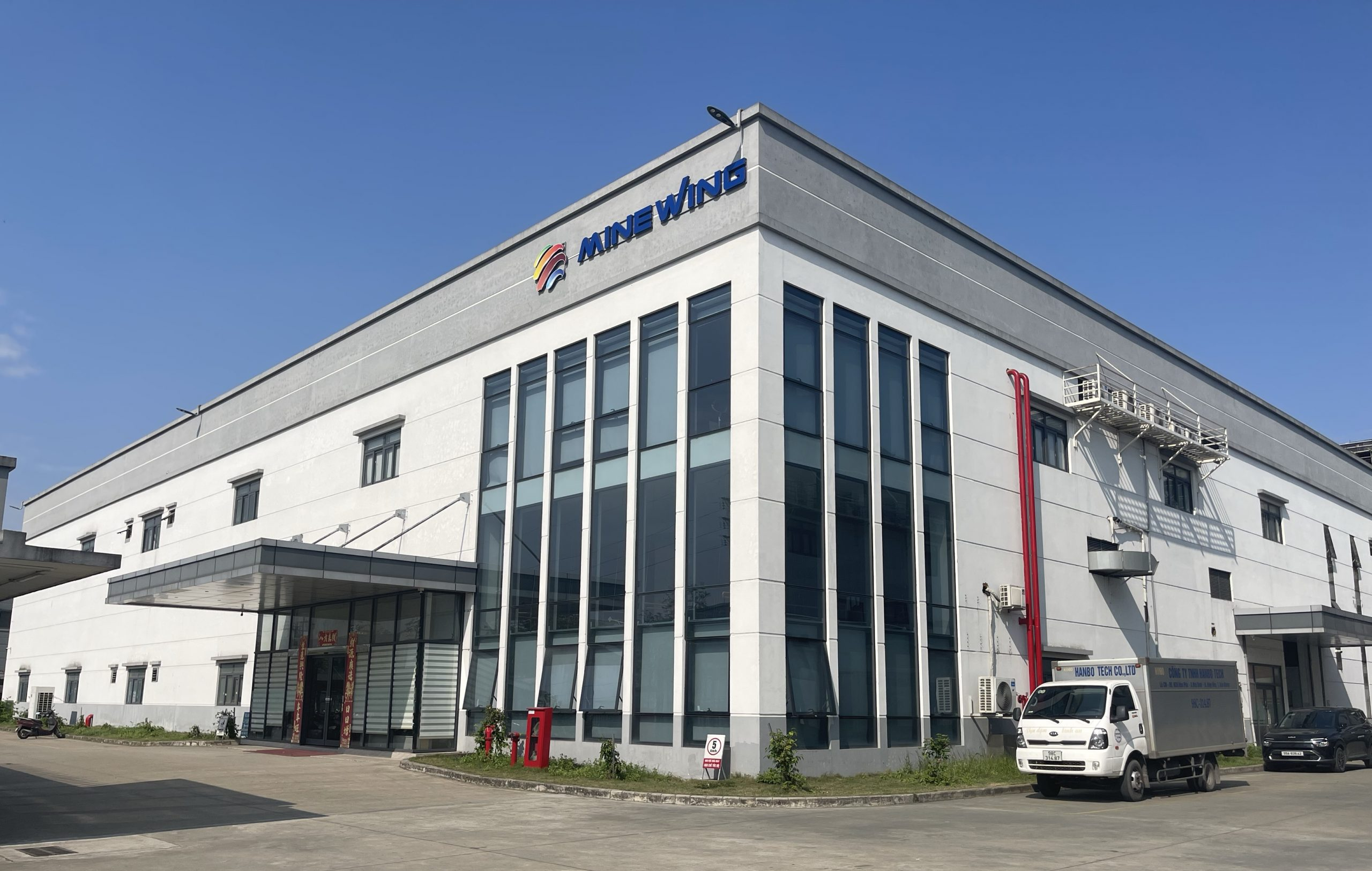
Expanding hardware production operations across international borders requires careful strategic planning and thorough evaluation of potential industry partners. B2B technology enterprises often seek external fabrication capabilities to optimize cost structures and scale commercial volume efficiently. However, identifying reliable production facilities demands rigorous assessment frameworks to safeguard project timelines and quality standards. Selecting an appropriate manufacturing partner involves looking beyond initial cost estimates to examine operational transparency and technical expertise. Commercial hardware developers navigate diverse supplier landscapes to find production contractors that align with their specific engineering requirements. Thorough vetting processes help minimize operational risks and establish a stable foundation for successful commercial product launches. Maintaining clear communication channels from the outset ensures that both parties remain aligned on technical specifications throughout every phase. Detailed preliminary reviews support smoother transitions from initial design verification into pilot manufacturing stages.
Assessing Facility Certifications And Production Standards
Verifying operational credentials represents a crucial initial step when evaluating overseas production facilities for new hardware projects. Certified factories typically maintain internationally recognized quality management systems that govern assembly and fabrication stages. Reviewing these credentials helps technical teams confirm that potential partners adhere to established industry benchmarks. Facility audits provide valuable visibility into shop floor organization, equipment calibration status, and worker safety protocols.
Factory inspections also allow engineering staff to observe how quality control checkpoints operate during active assembly runs. Observing daily operational habits reveals much about a facility’s commitment to precision and consistency. Qualified contractors welcome third-party audits and readily share documentation regarding environmental and safety compliance records. Such transparency builds mutual trust before large-scale financial commitments are finalized by commercial teams. Thorough facility walkthroughs help technical managers identify potential workflow bottlenecks before active production schedules commence.
Reviewing Supply Chain Stability And Material Sourcing
Material availability directly influences production continuity, making supply chain resilience a vital evaluation criterion for hardware brands. Reliable china electronics manufacturers maintain transparent procurement networks and strong relationships with authorized component distributors. Evaluating how a facility manages material traceability helps prevent counterfeit parts from entering sensitive electronic assemblies. Proactive inventory management strategies protect active assembly lines against sudden component shortages and unexpected lead time extensions.
Supply chain stability also relies on robust forecasting models that anticipate seasonal demand fluctuations and market shifts. Experienced production partners maintain buffer stocks of critical passive components to cushion against sudden supply disruptions. Reviewing material sourcing practices enables project managers to identify potential vulnerabilities before they impact delivery schedules. Collaborative planning ensures that raw material replenishment aligns closely with actual commercial sales forecasts.
Maintaining detailed component ledgers ensures that engineering staff can identify alternative parts quickly if specific integrated circuits face scarcity. Collaborative forecasting models allow manufacturers to anticipate seasonal demand spikes and adjust raw material purchases accordingly. Such operational preparedness minimizes financial exposure and supports steady delivery performance across diverse industrial sectors. Establishing robust operational protocols helps technical teams remain aligned when component shortages threaten standard assembly schedules.
Evaluating Communication And Technical Support Capabilities
Effective technical communication remains essential for preventing misunderstandings during prototype refinement and pilot production runs. Overseas production partners must demonstrate strong English proficiency and responsive project management teams to facilitate collaboration. Clear communication channels ensure that engineering feedback is interpreted accurately and implemented promptly across factory floor operations. Evaluating how prospective contractors handle technical queries reveals their commitment to customer service and operational transparency.
Engineering support extends beyond simple assembly execution to encompass proactive design feedback for manufacturability improvements. Knowledgeable production teams often suggest subtle modifications to circuit board layouts to enhance assembly efficiency. Such collaborative problem-solving reduces manufacturing defects and lowers overall production costs for growing technology enterprises. Establishing open dialogue from the outset fosters a productive working relationship that withstands complex engineering challenges.
Rigorous testing protocols applied during pilot runs help identify potential design flaws before large-scale tooling investments are finalized. Addressing minor discrepancies early protects project budgets and ensures finished hardware units meet commercial standards and expectations. Continuous feedback loops between local engineering teams and overseas plant operators facilitate immediate corrective actions whenever deviations occur. Effective troubleshooting frameworks minimize unexpected downtime during initial pilot manufacturing batches.
Building Long Term Partnerships With Industry Specialists
Selecting a manufacturing partner involves evaluating whether operational scale matches the long-term growth trajectory of your business. Established china electronics manufacturers offer flexible OEM and ODM services that accommodate evolving product portfolios. Organizations looking for dependable production solutions can collaborate with Minewing to streamline complex assembly workflows. Strategic manufacturing alliances empower technology brands to focus on core innovation while experienced partners handle fabrication execution.
Sustaining a productive manufacturing relationship requires continuous performance evaluation and mutual commitment to operational excellence over time. Periodic reviews of delivery accuracy, yield rates, and cost efficiencies help both parties identify areas for ongoing refinement. Building strong collaborative partnerships establishes a stable foundation for long-term technological advancement and sustainable industry leadership. Strategic cooperation transforms routine assembly tasks into a valuable asset for innovative technology enterprises navigating dynamic markets.
Investing in joint technological workshops deepens mutual understanding and aligns production capabilities with evolving product roadmaps. Cultivating long-term cooperative alliances enables businesses to innovate faster and bring advanced electronic devices to market with confidence. Sustainable operational partnerships provide the structural foundation required for enduring success in the global technology industry. Cultivating mutual trust through open operational transparency empowers businesses to expand their product portfolios successfully.
