Digital transformation is reshaping modern dentistry by improving diagnosis, treatment planning, and patient communication. Among these innovations, teeth simulation technology is becoming an important tool for helping dental professionals visualize potential treatment outcomes before procedures begin. From orthodontic planning to aesthetic restorations, digital simulation allows patients and clinicians to better understand possible changes.
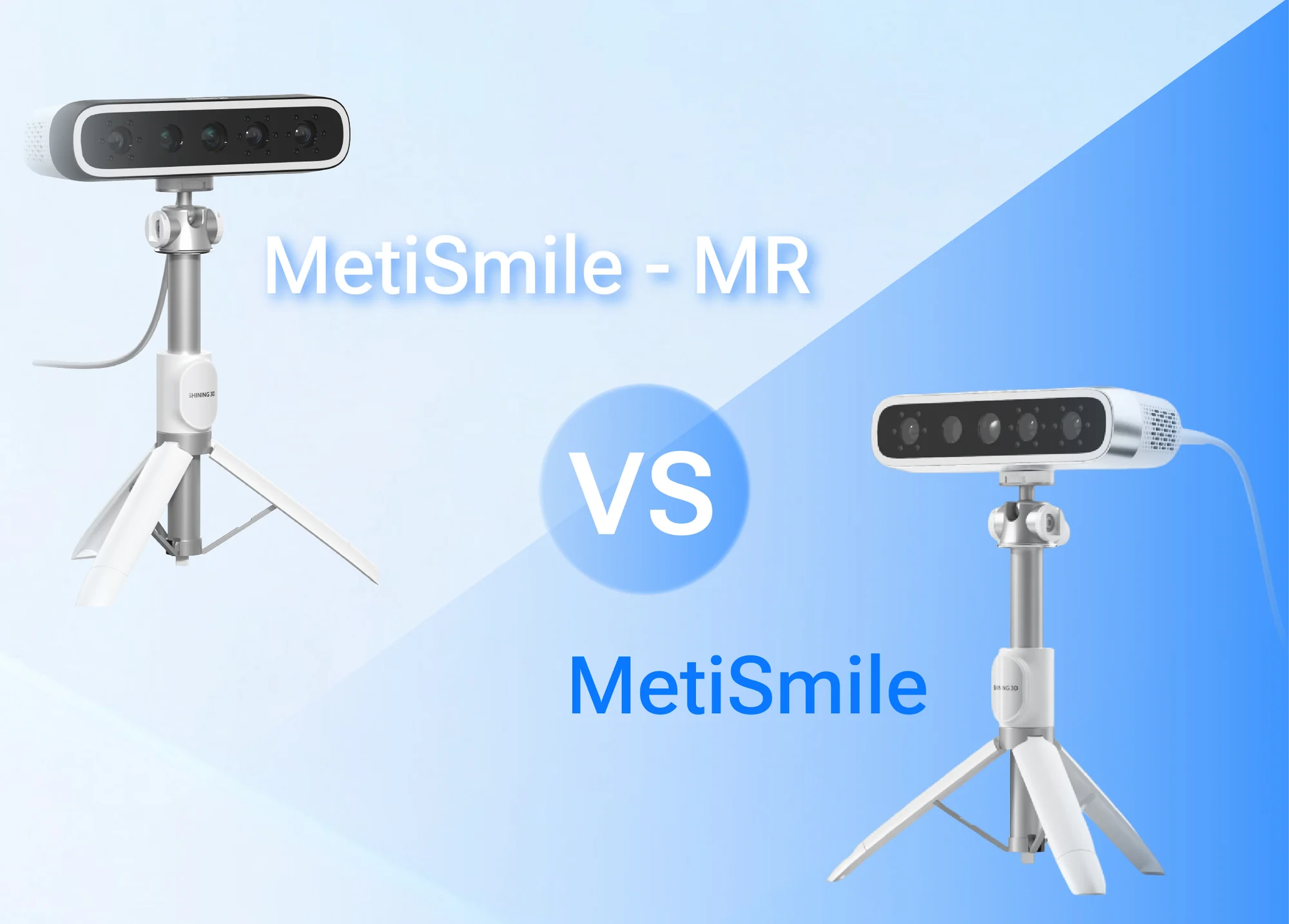
With the development of technologies such as a 3D face scanner, dental teams can now combine facial information with digital dental data to create more realistic treatment previews. Solutions like SHINING 3D DENTAL’s MetiSmile Face Scanner represent the movement toward more integrated and personalized digital dentistry workflows.
How Teeth Simulation Technology Is Changing Dentistry?
Traditional dental consultations often rely on photographs, physical models, and verbal explanations to describe possible treatment results. While these methods remain useful, they may not fully demonstrate how dental changes will influence a patient’s overall appearance.
Teeth simulation technology provides a digital alternative by allowing professionals to visualize possible outcomes before treatment starts. By using digital models, clinicians can analyze tooth position, smile aesthetics, and facial harmony more effectively.
This technology is especially valuable in treatments where appearance is a major consideration, including orthodontics, veneers, crowns, and smile design procedures. It helps create a more interactive consultation experience between dentists and patients.
The Role of a 3D Face Scanner in Future Dental Simulation
Facial information is becoming increasingly important in digital dentistry. Teeth do not exist independently from the rest of the face, and factors such as lip movement, facial proportions, and smile expression influence aesthetic outcomes.
A 3D face scanner captures three-dimensional facial information that can complement intraoral scans and digital dental models. By combining facial and dental data, clinicians can evaluate potential treatment results from a more complete perspective.
Future teeth simulation systems are expected to rely more heavily on facial scanning technology. This integration can help dental professionals create more realistic simulations and improve treatment planning for personalized outcomes.
Moving Toward More Realistic Digital Smile Visualization
One major direction in the future of teeth simulation technology is improved realism. Patients increasingly want to understand not only how their teeth may change but also how those changes will affect their overall appearance.
Advanced digital workflows can combine facial scanning, intraoral scanning, and design software to create more comprehensive visualizations. This allows dentists to present treatment concepts in a way that is easier for patients to understand.
A straight teeth simulator is an example of how digital visualization can support orthodontic communication. By showing potential improvements in tooth alignment, simulation tools can help patients better understand the possible results of orthodontic treatment.
How Straight Teeth Simulators Will Evolve?
A straight teeth simulator currently helps patients visualize possible alignment improvements before beginning orthodontic treatment. In the future, these tools are expected to become more intelligent and integrated with other digital systems.
Future developments may allow simulation platforms to provide more personalized visual predictions based on individual facial characteristics, dental conditions, and treatment goals.
For orthodontic practices, advanced simulation technology can improve consultations by making treatment options easier to explain. Patients can gain a clearer understanding of how procedures may influence their smiles.
AI and Digital Dentistry Integration
Artificial intelligence is expected to play an increasingly important role in the development of teeth simulation technology. AI-based tools can assist with image analysis, treatment visualization, and workflow optimization.
When combined with facial scanning and dental data, AI may help create more efficient simulation processes. Dental professionals can use these technologies to analyze complex information and support more informed treatment planning.
The combination of AI, facial scanning, and digital design will likely create more advanced solutions that improve both clinical workflows and patient experiences.
How MetiSmile Supports the Future of Dental Simulation?
SHINING 3D DENTAL’s MetiSmile Face Scanner reflects the growing importance of facial data in digital dentistry. By capturing three-dimensional facial information, MetiSmile helps dental professionals incorporate facial characteristics into modern treatment workflows.
Facial scanning technology allows dentists to evaluate treatments beyond individual teeth. Instead, they can consider how dental changes interact with the patient’s overall appearance.
As digital dentistry continues to evolve, solutions like MetiSmile can support more comprehensive approaches to smile design, aesthetic evaluation, and patient communication.
Benefits of Future Teeth Simulation Technologies
- Better Treatment Communication
One of the biggest advantages of simulation technology is improved communication. Patients often find it difficult to understand dental procedures through technical explanations alone.
Digital visualization allows clinicians to demonstrate potential treatment directions more clearly. This can help patients make better-informed decisions about their dental care.
- More Personalized Treatment Planning
Future simulation systems will focus increasingly on personalization. By combining facial information, dental data, and digital analysis, professionals can create treatment plans that better match individual patient needs.
A 3D face scanner will continue to be an important component of this process by providing facial references that support aesthetic evaluation.
- Improved Cooperation Between Dental Teams
Digital simulation also supports communication between dentists, orthodontists, and dental laboratories. Shared digital information allows different professionals to better understand treatment goals.
This collaborative approach can improve workflow efficiency and support more consistent treatment outcomes.
Challenges and Considerations for Future Development
Although teeth simulation technology has significant potential, dental professionals still need to consider factors such as workflow integration, data accuracy, and practical application.
A successful digital solution should fit naturally into existing clinical processes. Technologies that combine usability with reliable results will be more likely to achieve wider adoption.
Additionally, simulation should be used as a communication and planning tool rather than a guarantee of final treatment results. Professional evaluation remains essential throughout the treatment process.
Conclusion
The future of teeth simulation technology is moving toward more realistic, personalized, and digitally connected workflows. By combining facial scanning, dental data, and advanced visualization tools, dental professionals can provide clearer treatment explanations and improve patient experiences.
A 3D face scanner will continue to play an important role in creating comprehensive digital patient models, while tools like a straight teeth simulator will help patients better understand orthodontic possibilities.
With solutions such as SHINING 3D DENTAL‘s MetiSmile, the dental industry is moving toward a future where digital simulation supports more effective communication, personalized planning, and modern aesthetic dentistry.
