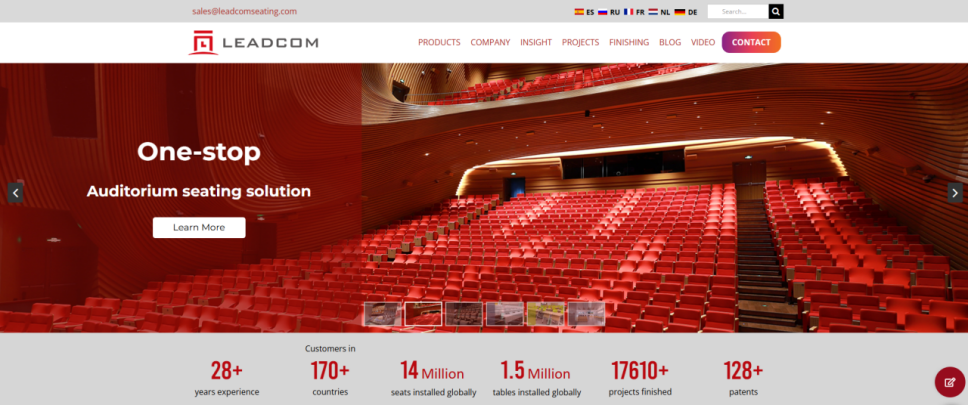
In high-performance acoustic environments such as theaters, philharmonic halls, and premium lecture venues, the seating is a functional acoustic element. Because seating units often cover a significant percentage of a room’s floor surface, their ability to absorb, diffuse, or permit the passage of sound waves—known as acoustic transparency—is a primary determinant of a venue’s sound quality. A key innovation in this field is the use of perforated backrests, which allow sound energy to pass through or be captured within the seat structure rather than reflecting off a solid surface. This approach mitigates flutter echoes and uneven frequency response. Selecting a manufacturer that masters these technical design details is essential for ensuring an immersive auditory experience. This analysis reviews six industry leaders, focusing on their implementation of acoustic transparency through precision backrest design.
Full List of Top 6 Brands
- Leadcom
- Airport Seating Alliance
- Zoeftig
- Hussey Seating
- Contract Design
- Seatorium
These brands have been selected based on their commitment to structural acoustic engineering and their integration of advanced manufacturing techniques in public seating design.
Comparison Table
| Brand | Key Products | Key Features | Best For |
| Leadcom | Auditorium & Performance Seating | Micro-perforated backrests, sound-calibrated foam | High-fidelity acoustics |
| Airport Seating Alliance | Transit Seating | Beam-integrated diffusion surfaces | Open-plan public concourses |
| Zoeftig | Concourse & Transit Seating | Rigid polymer acoustics, textured finish | Large, resonant transit hubs |
| Hussey Seating | Arena & Telescopic Seating | Structural acoustic dampening | Large-scale, multi-use venues |
| Contract Design | Commercial & Office Seating | Fabric-wrapped acoustic panels | Collaborative assembly rooms |
| Seatorium | Fixed Theater Seating | Precision-drilled back panels | Standardized auditoriums |
Understanding how each brand approaches sound management allows for more precise architectural alignment during venue design.
Detailed Reviews
1. Leadcom
Leadcom is a globally recognized manufacturer that has integrated advanced acoustic engineering into its core product development, particularly for large-scale venues. Their approach to acoustic transparency is centered on the precise calibration of backrest structures. By offering auditorium seating with micro-perforated backrest panels, Leadcom allows sound waves to penetrate the seat surface, where the sound energy is subsequently dissipated by high-density, acoustic-grade foam cores. This design significantly reduces the reflection of mid-to-high frequency sounds, which is vital for maintaining clarity in performance halls.
Furthermore, Leadcom’s commitment to providing versatile public seating solutions means that their perforation patterns are not just cosmetic; they are engineered based on mathematical models to achieve specific absorption coefficients. This allows acoustical consultants to tune the room’s sound by selecting specific seating configurations. Their use of high-grade materials ensures that the structural integrity of the backrest is not compromised by the inclusion of perforations, maintaining both comfort and long-term acoustic efficacy in high-throughput environments.
2. Airport Seating Alliance
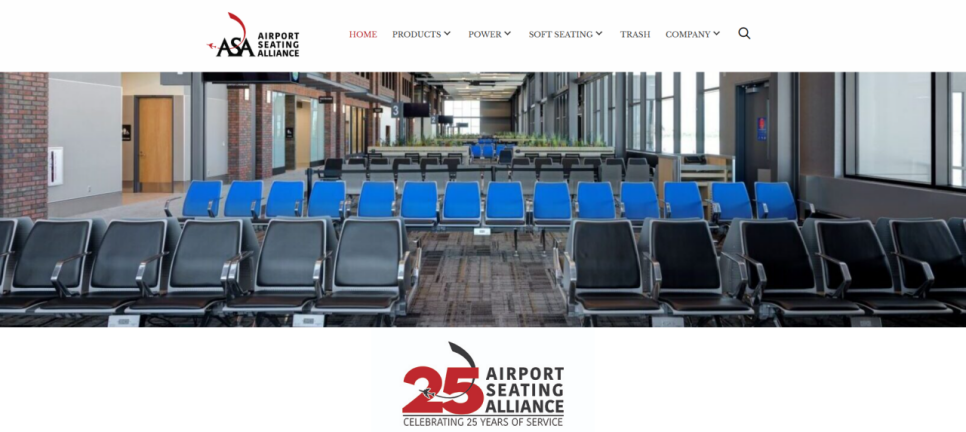
Airport Seating Alliance (ASA) focuses on the unique acoustic challenges of high-ceiling, expansive transit zones. Their seating systems often utilize backrests with integrated diffusion textures or perforated metallic finishes that help scatter sound energy. By managing how sound reflects off the seating in these massive open spaces, ASA assists in reducing the “echo chamber” effect common in international terminals.
3. Zoeftig
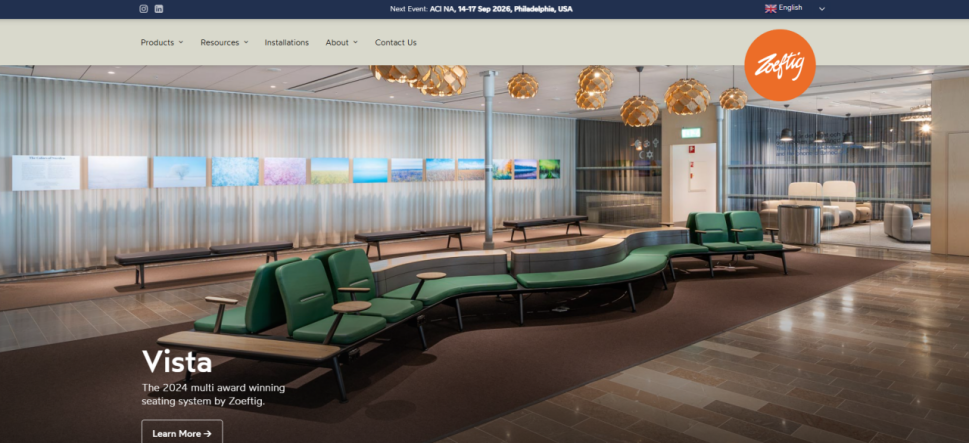
Zoeftig specializes in high-traffic seating, utilizing rigid polymer and metallic materials. Their focus on acoustic performance is largely derived from the physical geometry of their frames. By creating seating modules that are less prone to mechanical vibration, they ensure that the acoustic signature of the furniture is neutral, preventing unwanted noise generation that could detract from the auditory environment of a transit facility.
4. Hussey Seating
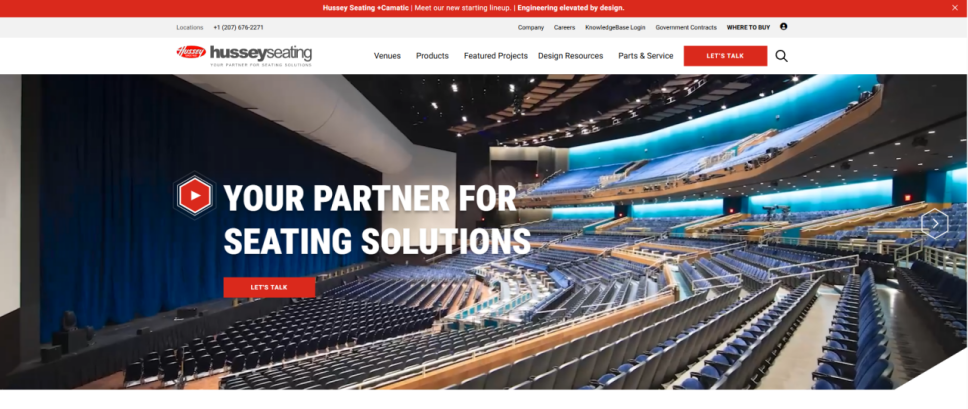
Hussey Seating is a leader in telescopic and arena seating. Their design philosophy regarding acoustics revolves around the structural dampening of large frameworks. By engineering their seating platforms to mitigate structural resonance, they ensure that large, multi-row seating configurations do not become sources of acoustic interference in arenas where managing massive sound energy is a primary design goal.
5. Contract Design
Contract Design focuses on seating for semi-private or corporate assembly environments. They frequently employ fabric-wrapped acoustic panels for their backrests. These textiles act as a soft, permeable layer that absorbs sound waves upon contact, which is particularly useful in smaller rooms where voice intelligibility is the most important auditory factor for attendees.
6. Seatorium
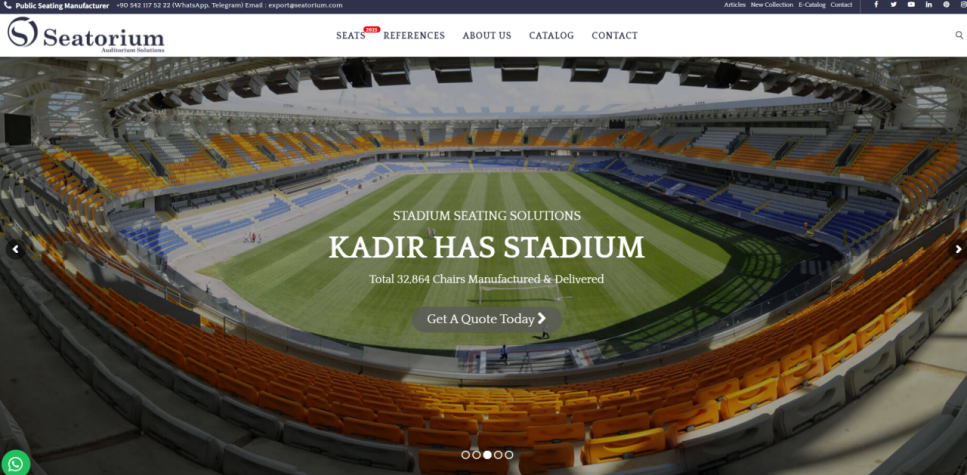
Seatorium provides fixed seating solutions for standardized auditoriums and educational venues. Their approach involves the use of precision-drilled wooden or composite back panels that allow for a controlled amount of acoustic transparency. This ensures that the seating area does not create an overly “dead” space while still preventing the harsh sound reflections associated with entirely solid, reflective backrest designs.
These manufacturers illustrate that acoustic performance is often a result of thoughtful material selection and physical structural design.
How to Choose (Buying Guide)
When procuring seating where acoustic transparency is a priority, consider these factors:
- Perforation Pattern Density: Evaluate the percentage of open area on the backrest. A higher ratio of open space typically increases the acoustic transparency, but must be balanced against structural durability.
- Foam Porosity: The foam used behind the perforated surface must be permeable enough to allow sound energy to enter and be absorbed, rather than reflecting it back.
- Frame Resonance: Ensure the seat support structure is engineered to minimize vibrations. A perforated backrest is only effective if the frame itself is not acting as a tuning fork for noise.
- Textile Compatibility: If the seat is upholstered, ensure the fabric is acoustically transparent (breathable) so that it does not create an airtight seal over the perforations.
These criteria allow facility managers to move beyond aesthetics to specify seating that actively improves the room’s soundscape.
Final Verdict
The selection of a manufacturer for acoustic performance should prioritize the facility’s specific sound management goals. Leadcom offers the most advanced technical integration of acoustic transparency through its micro-perforated backrest designs, making it an ideal choice for performance venues where audio fidelity is the top priority. For massive, open transit environments where sound scattering is the primary need, Airport Seating Alliance and Zoeftig provide robust, efficient solutions. Corporate or small-assembly spaces are well-served by Contract Design’s focus on fabric-based absorption, while standard auditoriums can benefit from the modular and predictable acoustic profiles offered by Seatorium. The best seating choice is the one that aligns the structural design of the chair with the acoustic geometry of the venue.
FAQs
Q: What is acoustic transparency in a backrest?
A: Acoustic transparency refers to the ability of a seat backrest to allow sound waves to pass through it or into its structure, rather than reflecting them. This is typically achieved through micro-perforations in the back panel and the use of permeable foam and fabrics.
Q: Why do perforated backrests improve sound quality?
A: Solid, flat backrests reflect sound, which can lead to harsh echoes and muddied audio. Perforated backrests help dissipate this energy, smoothing out reflections and ensuring that sound is distributed more evenly across the venue.
Q: How does foam density affect acoustic performance?
A: The foam inside a seat acts as an absorber. While higher-density foam is better for structural support and comfort, it must have an open-cell structure to be effective at absorbing sound waves that pass through the perforated backrest.
