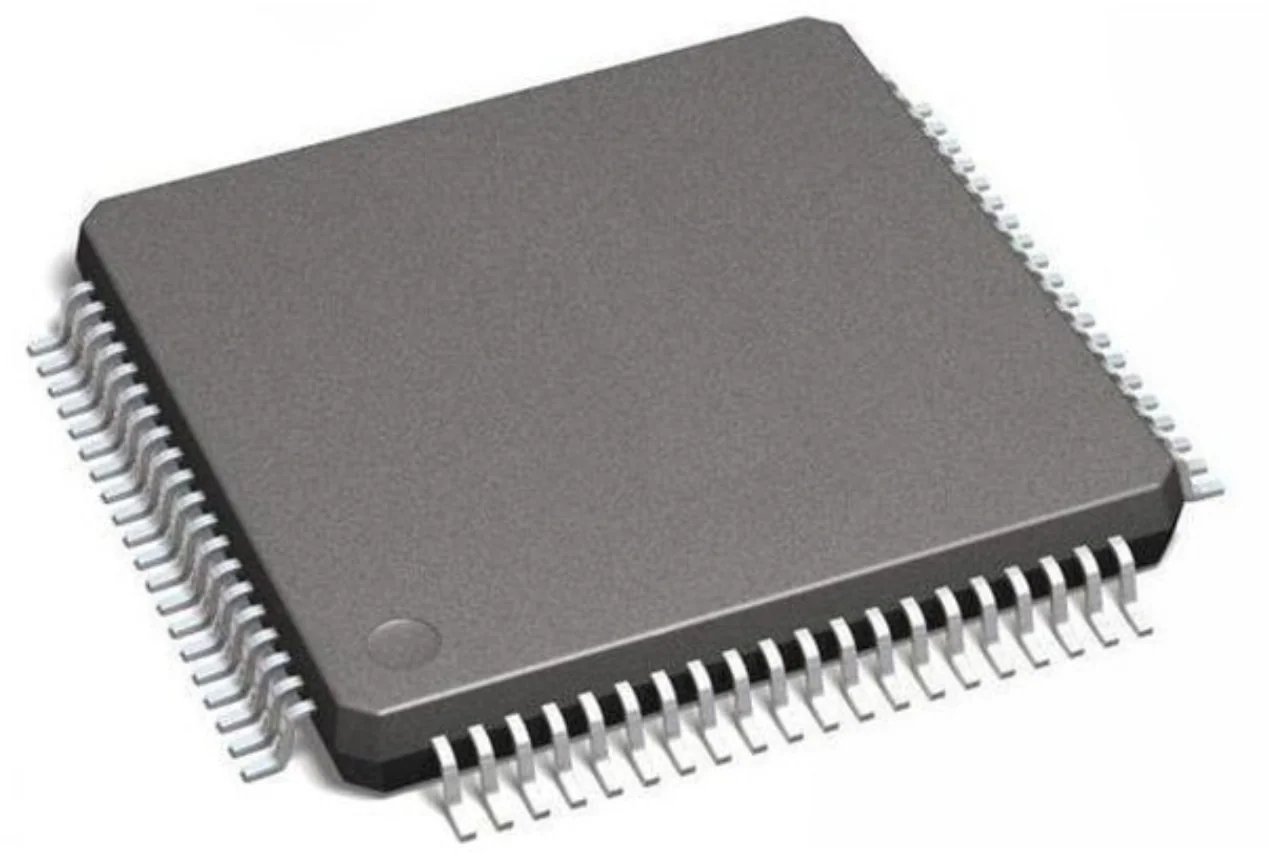
Embedded electronics require non-volatile storage to survive power loss. Configuration parameters, calibration profiles, and device identifiers must remain intact across the entire operational lifecycle.
Although many microcontrollers include internal memory, dedicated EEPROM remains useful when designers need separate non-volatile storage with reliable data retention and simple access methods.
A clear understanding of EEPROM’s position in embedded designs enables engineering teams to make better memory choices while allowing procurement teams to secure a steady chain of custody by partnering with microchip authorized distributors.
Why Embedded Designs Still Require Dedicated Non-Volatile Storage
Embedded electronics operate in environments where data can be as important as processing capability. A controller may execute firmware through its MCU, but it often needs additional memory space for information that changes during operation.
EEPROM provides a method for storing data that must remain available after power interruption. Unlike temporary memory used during active processing, EEPROM is designed for retaining stored information without continuous power.
Typical embedded requirements include saving user preferences, device configuration parameters, calibration information, and system status records. These data types usually do not require the high speed of program execution memory but need dependable retention.
For engineers evaluating storage options, EEPROM is often considered when data must be updated periodically while maintaining long-term availability.
Where EEPROM Fits Inside an Embedded System Architecture
EEPROM typically works alongside a microcontroller rather than replacing it. The MCU manages application logic, while the EEPROM stores information that needs to survive resets or power cycles.
In many embedded designs, firmware may remain unchanged while operational data changes frequently. For example, a controller may use EEPROM to store settings adjusted during installation or field operation.
This separation provides design flexibility. If product parameters need modification during use, engineers can update stored values without rewriting the main program memory.
Microchip EEPROM devices are commonly evaluated for embedded systems that require organized non-volatile data storage. Working with experienced microchip distributors can also help designers and procurement teams evaluate suitable EEPROM options based on memory capacity, interface requirements, and product availability. Designers often consider factors such as communication interface, memory capacity, and integration requirements when selecting a suitable device.
Embedded Applications That Depend on EEPROM Data Retention
Controllers used in automation systems may need to preserve configuration values, operating parameters, or calibration records after shutdowns or maintenance activities.
Consumer electronics also use EEPROM-based storage for retaining user-defined settings. Devices with adjustable preferences may store these values so that the product can restore the previous configuration after restarting.
Automotive and transportation-related electronics can require persistent storage for system information, although the exact memory technology depends on application requirements and design specifications.
Measurement and monitoring equipment represent another important area. Instruments may need to maintain calibration information or operational records to ensure consistent behavior during repeated use.
Medical and laboratory equipment may also include non-volatile memory functions for storing device settings and operational information. Selection depends on system requirements, regulatory environment, and manufacturer design decisions.
During development and production, companies can benefit from working with experienced microchip distributors that provide access to suitable components and detailed product information.
What Engineers Should Verify Before Selecting EEPROM Components
EEPROM selection requires more than checking memory size. Engineers need to evaluate how the memory will operate within the complete embedded system.
The first consideration is storage requirement. A device storing simple configuration parameters may require different memory capacity compared with a system maintaining larger data records.
Communication method is another selection factor. Embedded designs may use different interfaces depending on hardware architecture and controller availability.
Write frequency is also important because EEPROM has defined endurance characteristics. Applications that update data constantly may require a different storage approach compared with systems that save information occasionally.
Environmental requirements should also be reviewed. Embedded products used in industrial environments may face conditions that influence component selection, including temperature range and operating conditions.
Mayhwa provides access to electronic components from established manufacturers and supports customers evaluating sourcing requirements for embedded applications. Their role includes helping buyers connect component selection with practical procurement considerations.
Building a Reliable EEPROM Supply Strategy for Embedded Products
Technical suitability is only one part of choosing EEPROM components. Production teams must also consider whether selected devices can be sourced consistently throughout the product lifecycle.
Working with microchip authorized distributors can provide buyers with greater confidence regarding product authenticity, documentation availability, and supply chain transparency.
A reliable sourcing strategy begins during the design stage. Engineers and purchasing teams should consider component availability, alternative sourcing options, and future production requirements before finalizing designs.
For embedded product manufacturers, memory components may remain in production for many years. A stable supply approach reduces the risk of unexpected redesigns caused by component availability issues.
The use of EEPROM in embedded electronics continues because many systems require simple, dependable non-volatile storage for operational data. From industrial controllers to consumer devices, EEPROM provides a practical solution when information must remain available beyond a single power cycle.
Mayhwa helps customers evaluate electronic component sourcing needs by combining product availability with supply chain awareness. For organizations developing embedded systems, selecting the right EEPROM component means striking a balance among technical requirements, application demands, and long-term procurement reliability.
