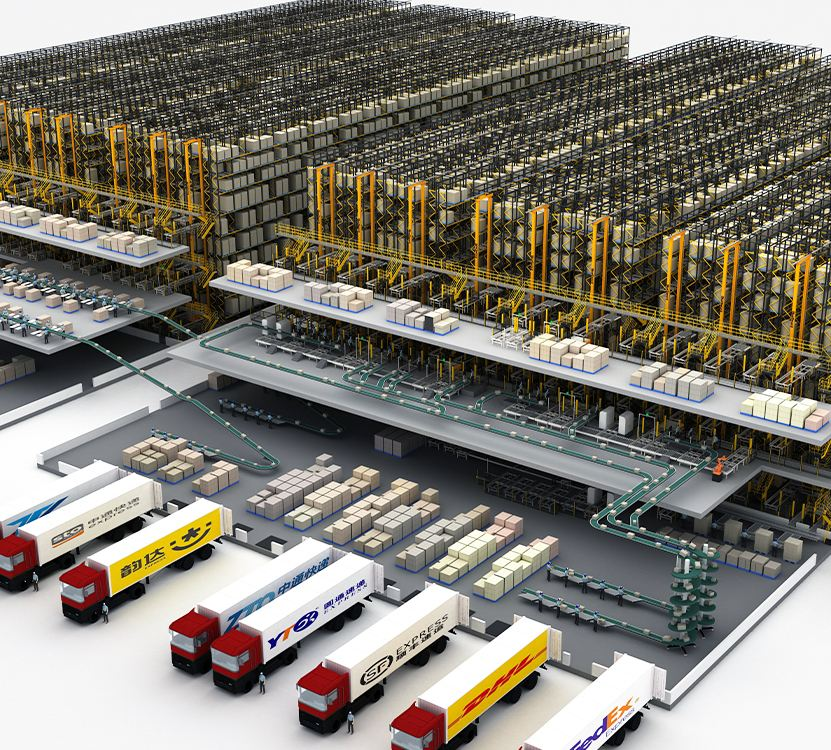
FMCG logistics modernization is being driven by changing consumer demands, expanding sales channels, rising operational complexity, and the need for stronger supply chain control. Companies are adopting automation, intelligent software, and flexible warehouse solutions to improve efficiency, accuracy, and responsiveness throughout their logistics operations.
Market Changes Driving FMCG Logistics Modernization
The FMCG industry is experiencing faster inventory turnover and more complex distribution requirements. Companies must manage diverse product categories, frequent order changes, and higher delivery expectations. These market conditions are encouraging businesses to improve warehouse processes and adopt intelligent logistics solutions.
Consumer purchasing habits are influencing how warehouses are designed and operated. Online channels, retail networks, and direct delivery models require faster response capabilities. Modern logistics systems help companies coordinate inventory, storage, and transportation activities while maintaining reliable product availability.
FMCG logistics companies are adjusting their operations because traditional warehouse methods cannot always support growing complexity. Businesses need solutions that improve space utilization, reduce manual workloads, and provide clearer operational information. Intelligent logistics technologies are becoming important tools for handling these changing requirements.
Another important trend is the increasing demand for accurate and efficient inventory management. FMCG products often involve different storage conditions and turnover speeds. Companies are improving warehouse structures through automation and software systems that support better visibility and more controlled product movement.
Automation Systems Improving Warehouse Operations
Automation has become a major direction in FMCG logistics modernization because warehouses require faster and more consistent handling processes. Automated storage and retrieval systems help companies manage large volumes of products while maintaining organized inventory operations and reducing dependence on repetitive manual activities.
BlueSword provides automated logistics solutions that support FMCG scenarios through equipment and software integration. They offer technologies including stacker cranes, shuttle systems, AGV and AMR solutions, conveyor systems, and intelligent management platforms to support different warehouse requirements.
Automated storage systems improve warehouse efficiency by coordinating storage, retrieval, and transportation processes. Stacker cranes with S-curve control technology support stable operations, while shuttle systems provide flexible handling capabilities for different carton and turnover box applications in FMCG environments.
The development of goods-to-person solutions is also changing warehouse picking methods. By reducing unnecessary movement during picking activities, intelligent systems help improve operational efficiency. These solutions allow warehouse teams to focus on process management while automated equipment supports product handling tasks.
Digital Intelligence Enhancing FMCG Logistics Management
Digital technologies are also reshaping FMCG logistics management by connecting equipment, operational data, and warehouse software. Companies use these platforms to collect operational information, improve warehouse visibility, monitor activities, and make adjustments based on real operational conditions.
Digital twins are becoming valuable tools for warehouse planning and management. They create virtual models of logistics environments, allowing companies to evaluate operations, support maintenance activities, and improve system performance. This technology helps businesses manage complex warehouse processes more effectively.
Intelligent software platforms allow different logistics systems to work together more smoothly. Warehouse management, equipment control, and operational monitoring can be connected through integrated solutions. This approach supports better coordination between different processes and improves overall logistics management capabilities.
BlueSword develops intelligent solutions that connect hardware systems with software platforms. They support customers with integrated services covering consultation, software development, equipment manufacturing, and system integration. This approach helps businesses create more connected logistics environments for FMCG operations.
Flexible Fulfillment Supporting Changing FMCG Needs
FMCG logistics modernization is also shaped by the need for flexible fulfillment. Product variety, changing order patterns, and multiple sales channels require warehouses to handle different operational scenarios. Flexible automation systems help companies adjust processes without major changes to existing infrastructure.
FMCG logistics companies are increasingly using adaptable technologies to manage different product flows. Shuttle robots, AGV and AMR systems, and intelligent picking solutions provide support for warehouses with changing requirements. These technologies help maintain efficient operations while handling diverse inventory structures.
Flexible logistics systems are especially important for FMCG products because product turnover and demand patterns can change frequently. Automated solutions allow warehouses to manage different storage methods, picking requirements, and transportation processes according to specific operational needs.
The combination of automation equipment and intelligent software creates stronger adaptability. Companies can optimize warehouse activities based on product characteristics and business requirements. This flexibility helps FMCG operations maintain stable performance while responding to continuous market changes.
Integrated Logistics Systems Supporting Future Growth
The future development of FMCG logistics modernization will focus on integrated intelligent systems. Companies are moving from individual automation equipment toward complete solutions that connect storage, transportation, software, and operational management functions.
Modern FMCG warehouses require scalable solutions that can support business growth. Integrated systems help companies improve efficiency while maintaining flexibility for future changes. Automation equipment combined with intelligent platforms creates a foundation for continuous operational improvement.
BlueSword supports intelligent logistics development by providing complete automation solutions for different application scenarios. They combine equipment, software, and integration capabilities to help businesses improve warehouse operations. Their solutions support various FMCG requirements from storage management to product handling processes.
The continued development of robotics, digital platforms, and intelligent management systems will influence future FMCG supply chains. These technologies allow companies to improve visibility, optimize workflows, and create more responsive logistics operations that meet changing business expectations.
Conclusion
FMCG logistics modernization is shaped by market changes, warehouse automation, digital intelligence, flexible fulfillment, and integrated logistics systems. These trends help companies improve operational efficiency and supply chain responsiveness. As intelligent technologies continue developing, FMCG logistics will move toward more connected and adaptable warehouse operations.
