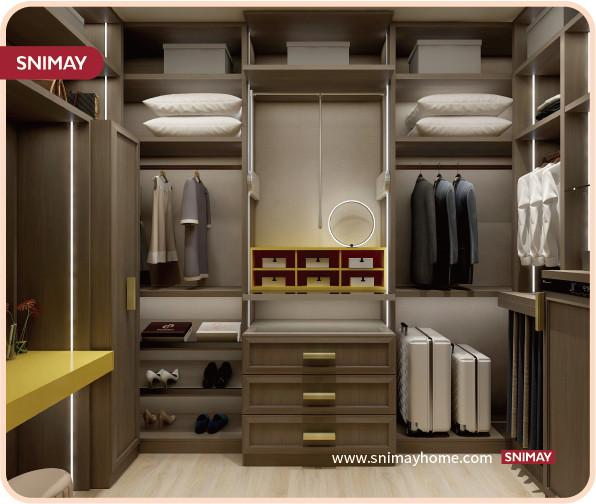
Furniture retailers, interior designers, and project buyers are increasingly viewing walk-in wardrobes as more than simple storage spaces. Modern customers expect these areas to combine efficient organization, comfortable access, and a more enjoyable daily experience. Among various design elements, lighting and ventilation play an important role in shaping the functionality and usability of the space.
A well-planned wardrobe area should consider visibility, atmosphere, air circulation, and moisture management. These elements are especially important in enclosed storage spaces, where insufficient lighting or poor airflow may affect convenience and the long-term condition of stored items.
Improving Visibility Through Practical Lighting Design
Lighting plays an important role in how users experience a walk-in wardrobe. A suitable lighting plan can improve visibility across hanging, shelving, and drawer zones while making the wardrobe layout easier to use and present to end customers.
For retailers developing wardrobe collections, lighting design should be considered together with cabinet layouts. Different storage zones may require different lighting approaches, such as general ceiling lights for overall visibility and additional cabinet lights for shelves, drawers, or hanging areas.
When planning bespoke walk in wardrobes, designers often consider how lighting interacts with materials, colors, and storage arrangements. A balanced lighting system can help users view products clearly while supporting the overall style of the room.
Choosing Suitable Color Temperatures for Different Spaces
Color temperature can influence the atmosphere of a wardrobe area. Different lighting tones create different visual effects and may affect how users perceive clothing colors and interior finishes.
Neutral lighting is often considered suitable for wardrobe environments because it provides a balanced appearance without creating an overly warm or cool feeling. For areas where users select clothing and accessories, accurate color presentation is an important practical consideration.
For furniture businesses, understanding lighting preferences can help when developing wardrobe solutions for different markets. Customers may have different expectations depending on room style, home design trends, and usage habits.
Integrating Cabinet Lights for Better Functionality
Cabinet lighting can improve the usability of storage areas by providing additional visibility in locations that may not receive enough direct light. Shelves, drawers, and corner sections can benefit from targeted lighting solutions.
For example, integrated lights inside storage compartments can make it easier for users to find smaller items and organize personal belongings. This type of design detail can also add value to a wardrobe collection by improving the overall user experience.
SNIMAY walk-in wardrobe solutions feature various storage configurations, including rails, shelves, racks, and drawers. When combined with suitable lighting design, these storage elements can improve visibility and organization in different wardrobe areas, supporting a more practical dressing space. The company supports projects from design analysis and solution development to production and delivery, providing comprehensive assistance for residential and commercial applications.
Considering Air Circulation in Enclosed Storage Areas
Ventilation is another important factor in walk-in wardrobe planning. Since wardrobes often contain enclosed cabinets and storage compartments, sufficient airflow can help maintain a more comfortable environment.
Poor air circulation may create challenges in areas with limited ventilation or high humidity. Designers and project buyers should consider room layout, cabinet spacing, and airflow paths when planning wardrobe installations.
For businesses developing walk in wardrobe collections, ventilation considerations can improve product practicality. A well-designed storage environment should support both organization and comfortable daily use.
Managing Dampness and Humidity Risks
Humidity management is especially important in regions with warmer or more humid climates. Enclosed wardrobe spaces may require additional planning to reduce moisture-related concerns.
Design considerations may include leaving suitable ventilation gaps, selecting appropriate materials, and planning the relationship between cabinets and surrounding walls. These details can influence the long-term condition of clothing and stored items.
For retailers and contractors, providing customers with suitable installation recommendations can improve satisfaction after purchase. Wardrobe design should consider not only appearance but also the environmental conditions of the space.
Creating Better Wardrobe Solutions Through Design Planning
Lighting and ventilation should be viewed as connected parts of wardrobe design rather than separate features. A successful solution combines storage functions with practical environmental considerations.
With experience in wardrobe manufacturing, SNIMAY develops walk-in wardrobe solutions that combine space planning, functional storage, and customized design options for different residential applications. Its product offerings support organized layouts with flexible storage configurations, helping furniture businesses create wardrobe spaces that balance appearance, accessibility, and daily usability.
For companies sourcing bespoke walk in wardrobes, working with a supplier that understands both design and production requirements can support more complete project solutions. Product planning should consider lighting, airflow, storage organization, and customer expectations together.
Designing Walk-In Wardrobes for Real-Life Use
A well-designed wardrobe should support everyday activities, from selecting clothes in the morning to organizing personal belongings efficiently. Lighting, color temperature, cabinet lights, ventilation, and moisture control all contribute to the overall user experience.
For furniture retailers and project developers, these details provide opportunities to create more practical and attractive product offerings. By considering real usage conditions during the design stage, businesses can develop wardrobe solutions that better match customer needs and market expectations.
