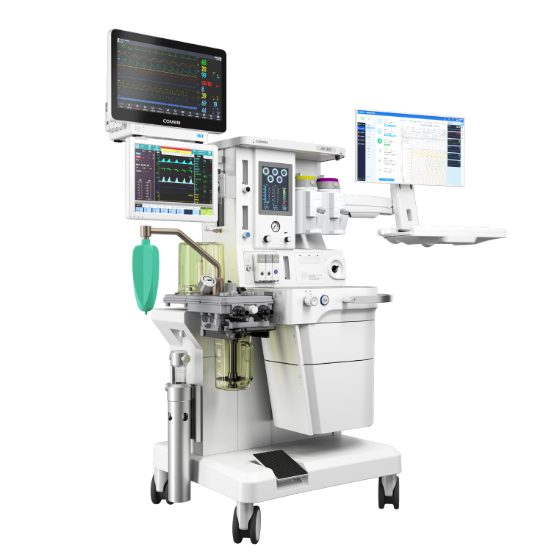
Maintaining physiological stability during surgical procedures requires a sophisticated blend of gas delivery and constant vigilance. COMEN develops integrated systems that allow clinicians to administer precise concentrations of anesthetic agents while monitoring vital signs in real time. Their approach to building an anesthesia machine focuses on reducing human error through automated checks and intuitive layouts. By centralizing data from various sensors, this anesthesia equipment provides a clear picture of the patient’s respiratory and hemodynamic status throughout every phase of the operation.
Integrated Monitoring and Alarm Systems
Continuous observation is the primary defense against complications in the operating room. Manufacturers equip each anesthesia machine with advanced software that tracks oxygen saturation, end-tidal carbon dioxide, and airway pressures. If any parameter falls outside of the pre-set safety limits, the anesthesia equipment triggers immediate visual and audible alerts to notify the surgical team. These systems are designed to distinguish between minor fluctuations and critical events, ensuring that the staff can respond with speed and accuracy to maintain patient homeostasis.
Precision Vaporization and Gas Control
Delivering the correct dosage of volatile anesthetics is essential for preventing both awareness during surgery and accidental overdose. They utilize high-precision vaporizers within the anesthesia machine to ensure that the concentration of gas remains constant, regardless of changes in flow rate or temperature. This mechanical reliability is a core feature of their anesthesia equipment, as it prevents the fluctuations that could lead to physiological stress. Furthermore, the inclusion of backup systems ensures that the delivery of life-sustaining oxygen is never interrupted, even in the event of a primary system failure.
Ergonomic Design and Workflow Efficiency
Reducing the cognitive load on anesthesiologists contributes directly to a safer surgical environment. The interface of the anesthesia machine is designed to be logical and accessible, allowing for rapid adjustments during emergency situations. By streamlining the layout of breathing circuits and monitoring screens, this anesthesia equipment helps prevent the accidental disconnection of tubes or the misinterpretation of data. Such focus on the physical and digital architecture of the device ensures that the clinical team can dedicate their full attention to the patient rather than struggling with complex hardware.
Safety in the modern operating theatre is the result of rigorous engineering and a deep commitment to clinical excellence. Through the combination of smart monitoring, precise gas delivery, and user-centric design, they provide hospitals with the tools necessary to perform complex surgeries with confidence. These systems act as a redundant layer of protection, ensuring that every breath and heartbeat is accounted for. Maintaining such high standards in medical technology remains essential for achieving positive surgical outcomes worldwide.
