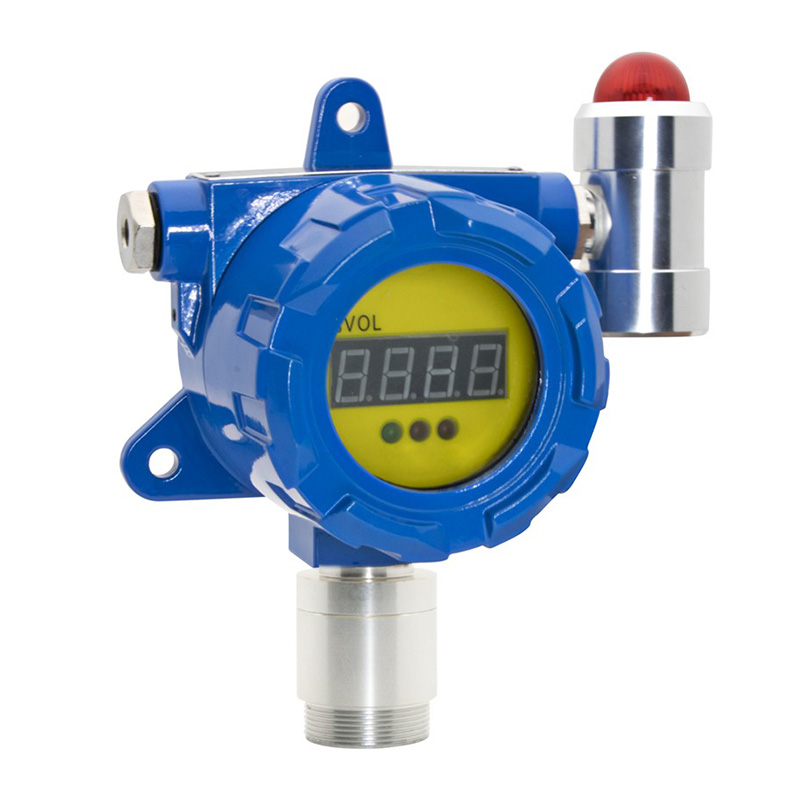
Boiler rooms and central plant rooms contain equipment that can create potentially hazardous gas conditions, making continuous atmospheric monitoring an important part of facility safety management. Gas leaks, incomplete combustion, and ventilation failures may expose personnel to combustible or toxic gases. A properly selected fixed gas detector helps identify abnormal concentrations and supports timely responses.
For facility managers and industrial buyers, choosing a suitable detection system involves evaluating sensor technology, installation locations, alarm integration, maintenance requirements, and the capabilities of the equipment supplier. This article explores these considerations and examines how Bosean’s BH-60 supports fixed gas monitoring applications.
Why Boiler Rooms and Central Plant Rooms Need Fixed Gas Detection
Boiler rooms use fuel sources such as natural gas, LPG, and other combustible gases to generate heat or steam. Leaks from pipelines, valves, regulators, and connections can allow gas to accumulate. If the concentration reaches an ignitable range, a spark or hot surface may trigger a fire or explosion.
Central plant rooms can also contain refrigeration systems, fuel storage equipment, and chemical treatment facilities. Depending on the installation, these environments may present additional risks from toxic gases or oxygen-displacing substances.
Portable instruments are useful for inspections and personal monitoring, but they cannot continuously monitor every area of a large facility. A fixed gas detector provides ongoing measurements at selected locations, helping operators identify developing hazards even when personnel are not nearby.
Common Gas Detection Requirements in Plant Environments
The appropriate monitoring configuration depends on the fuel, equipment, and processes used within a facility.
Combustible gas monitoring: Natural gas and methane are common concerns in gas-fired boiler rooms. LPG installations may require monitoring for propane or butane. Catalytic sensors are frequently used to detect combustible gases and report concentrations as a percentage of the lower explosive limit (LEL).
Toxic gas monitoring: Certain industrial processes and refrigeration systems may introduce substances such as carbon monoxide, ammonia, or hydrogen sulfide. Electrochemical sensors can be selected for specific toxic gases, depending on the required detection range and application.
Oxygen monitoring: Some industrial environments may experience oxygen depletion or enrichment. Dedicated oxygen sensors can help identify these abnormal atmospheric conditions.
A gas detector manufacturer should therefore be able to explain sensor options, measurement ranges, environmental limitations, and compatibility with the facility’s monitoring requirements.
How to Select and Install a Fixed Gas Detection System
- Identify Potential Leak Sources
Before purchasing equipment, facility managers should conduct a risk assessment to identify possible leak points. These may include fuel supply connections, boiler burners, pressure regulators, valves, and gas distribution pipelines.
The gas properties also influence detector placement. Methane is lighter than air and generally tends to rise, while LPG is heavier and tends to accumulate near floor level. Detector positioning should account for these characteristics, ventilation patterns, obstacles, and manufacturer recommendations.
- Choose Suitable Sensor Technology
Sensor selection directly affects detection performance. Catalytic sensors are commonly used for combustible gas monitoring, while electrochemical sensors are suitable for many toxic gases and oxygen measurement.
A fixed gas detector should be selected according to the target gas, expected concentration range, operating temperature, humidity, and potential interference from other substances. Buyers should also check sensor service life and calibration requirements.
- Integrate Detection Equipment with Alarm Systems
Detection equipment becomes more useful when connected to a central controller or building management system. When gas concentrations exceed configured thresholds, the system can activate audible and visual alarms and provide signals to relevant control equipment.
Depending on the facility design, these signals may support ventilation activation, fuel shutoff procedures, or operator notifications. Alarm logic and automatic responses should be designed and validated by qualified professionals.
- Establish Inspection and Maintenance Procedures
Even reliable equipment requires regular maintenance. Routine activities typically include checking sensor response, verifying alarm operation, inspecting electrical connections, and performing calibration according to manufacturer instructions.
Facility operators should maintain records of inspections, calibration results, alarm events, and sensor replacements. These records help demonstrate that the detection system remains suitable for its intended purpose.
Bosean BH-60: A Fixed Gas Detector for Plant Monitoring
The Bosean BH-60 Fixed Gas Detector With Display is designed for industrial environments where continuous gas concentration monitoring is required. It adopts either an advanced catalytic gas sensor or an electrochemical sensor, depending on the selected detection configuration.
The instrument converts gas concentration in the surrounding air into digital signal output. When connected to a compatible gas controller, it can form part of a centralized monitoring arrangement.
Its intended applications include refineries, chemical plants, LPG stations, boiler rooms, and painting facilities. This range of applications makes the BH-60 relevant to industrial operators seeking equipment for different gas monitoring scenarios.
For buyers evaluating a gas detector manufacturer, the BH-60 provides an example of equipment designed around sensor-based detection and controller integration. Before procurement, buyers should confirm the available gas configurations, output protocols, measurement ranges, alarm settings, and environmental ratings with the supplier.
Building a More Reliable Plant Safety Strategy
Fixed gas detection should be treated as one component of a broader industrial safety program. Proper equipment selection, suitable installation, effective ventilation, regular maintenance, and clear emergency procedures all contribute to reliable protection.
For boiler rooms and central plant rooms, the right monitoring arrangement depends on the gases present and the specific risks associated with each installation. Working with an experienced gas detector manufacturer can help facility operators assess these requirements and identify appropriate equipment.
Bosean‘s BH-60 offers catalytic and electrochemical sensor options for different industrial detection needs. By evaluating its configuration alongside site conditions and system requirements, industrial buyers can make more informed decisions about fixed gas monitoring and support safer facility operations.
