Commercial aquaculture plants constantly evaluate processing line efficiencies to protect profit margins during peak harvest cycles. Deciding whether to retain human grading crews or upgrade to mechanical separation equipment dictates operational success. Plant directors must weigh human subjectivity against digital precision to determine optimal processing configurations.
In order to successfully transition away from legacy technologies, it is necessary to conduct a comprehensive analysis of labour costs, the integrity of biological products, and speed limits. During times of severe seasonal loads, manual processing methods have difficulty meeting the requirements of modern processing systems, which require total consistency.
Evaluating Human Error Versus Automated Consistency in Harvest Lines
Human graders rely on visual estimates and manual reference sizing boards to categorize harvested aquatic species. Workers’ fatigue sets in rapidly during extended shifts, causing inconsistent categorization and severe misclassifications. Premium-sized specimens frequently slip into lower pricing tiers, draining valuable operational revenue over time.
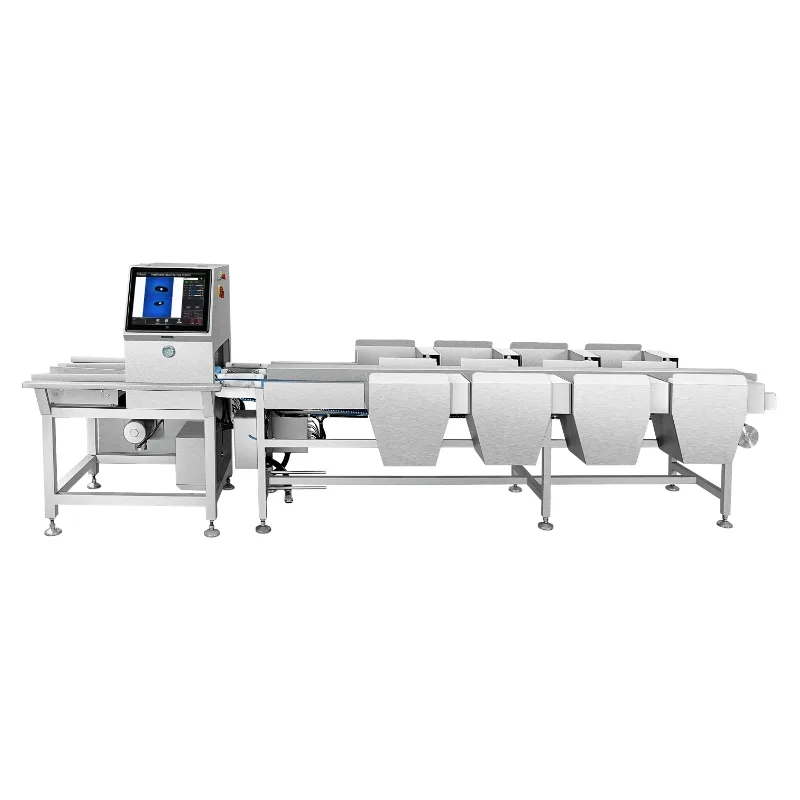
Deploying a fish sorting machine resolves subjective judgment errors by applying rigid, pre-programmed sizing parameters to every specimen. High-speed digital controllers evaluate physical dimensions instantly without experiencing fatigue or optical strain. Consistent classification protects market values and ensures strict compliance with buyer specifications.
Advanced algorithms process individual item metrics faster than any human crew can manage manually. Plant operators maintain absolute control over size categories, eliminating random errors that plague traditional processing floors. Operational reliability scales dramatically when digital sensors replace human visual estimation.
Mechanical Impact Dynamics on Aquatic Seafood Product Integrity
Manual handling frequently exposes delicate livestock to rough physical contact, excessive squeezing, and prolonged air exposure. Workers drop fish onto hard sorting tables or scrape protective slime coats against abrasive grading grates. Such trauma induces severe biological stress, elevating mortality rates in live markets or degrading fillet quality.
Specialized processing equipment incorporates water-lubricated transfer channels and cushioned diversion gates designed to protect fragile animal tissues. A modern fish sorting machine minimizes blunt impact forces, keeping dermal layers and scales completely intact throughout transit. Preserving livestock integrity prevents quality degradation before final packaging occurs.
Engineers design gentle redirection paths that guide specimens smoothly into designated collection zones without abrupt directional changes. Minimizing physical shock reduces stress hormone spikes, directly improving post-harvest shelf life and visual market presentation. Biological protection translates into higher commercial returns for aquaculture enterprises.
Easyweigh engineers specialized aquaculture handling frameworks utilizing ultra-smooth polymer contact surfaces and precision drop zones. Their custom installations protect fragile inventory from mechanical bruising while maintaining rapid transit velocities. Equipment design directly influences downstream product marketability.
Operational Labor Constraints and Throughput Bottlenecks
Managing large, fluctuating labor pools creates massive administrative overhead and scheduling headaches for plant supervisors. Wet, cold processing environments suffer from high employee turnover rates and chronic absenteeism during peak harvest months. Manual lines grind to a complete halt whenever staffing shortages occur unexpectedly.
Automated lines decouple processing throughput from human endurance limits, enabling continuous operation across intensive multi-shift schedules. Facilities utilizing Weight Sorting technology eliminate the physical bottlenecks associated with manual grading tables. Plant managers reallocate scarce labor resources to higher-value packaging roles rather than repetitive sorting tasks.
Sustained operational momentum prevents inventory spoilage during massive seasonal surges when market timing determines profitability. Automated systems process thousands of individual items hourly without experiencing performance drops or physical exhaustion. Predictable throughput rates allow management to forecast daily output accurately.
Easyweigh builds robust industrial transport architectures that maintain steady velocity under heavy, continuous wet loads. Their modular sorting solutions scale seamlessly alongside shifting production volumes without requiring extensive infrastructure overhauls. Reliability under pressure safeguards tight processing schedules.
Long-Term Financial Amortization and Yield Optimization Strategies
Procurement decisions for industrial separation hardware require analyzing comprehensive lifecycle costs rather than initial purchase pricing. Manual grading appears inexpensive initially, but hidden expenses accumulate through product giveaway, worker injuries, and slow throughput. Over time, those cumulative inefficiencies far outweigh the capital expenditure of modern automation.
Precision Weight Sorting architectures recover lost revenue by eliminating giveaway and ensuring every specimen reaches its optimal pricing bracket. Exact mass measurements prevent valuable stock from being underpriced or misdirected during high-speed routing. Financial yield optimization transforms tight profit margins into sustainable commercial growth.
Easyweigh delivers durable stainless-steel systems built to withstand corrosive, high-moisture processing environments for decades. Their heavy-duty drive mechanisms require minimal maintenance intervention, reducing long-term operational overhead significantly. Strategic equipment investments protect capital allocations against premature obsolescence.
Strategic Operational Shift
Modern aquaculture facilities must move beyond legacy manual grading techniques to remain competitive in aggressive global markets. Upgrading processing floors requires balancing throughput velocity, biological protection, and precise data capture capabilities. Selecting an advanced fish sorting machine provides the mechanical reliability needed for sustainable operations.
Deploying Weight Sorting mechanisms closes the loop on harvest efficiency and financial yield recovery. Plant leaders who embrace advanced automation secure a decisive operational advantage over competitors relying on manual labor. Sustainable growth depends entirely on making informed equipment choices today.
